Bat Shelters | Custom Design and Manufacturing

Small shelters, big benefits

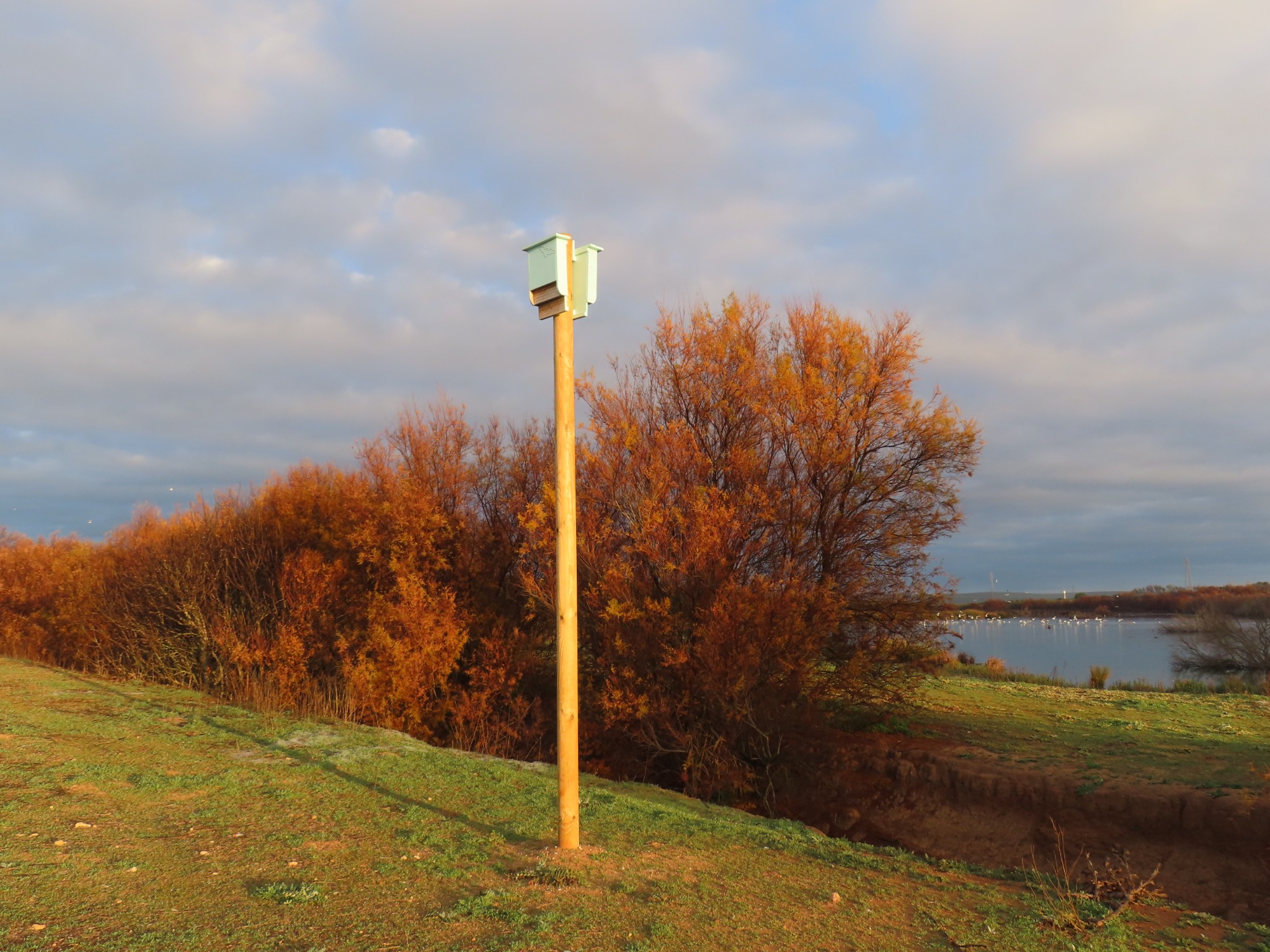
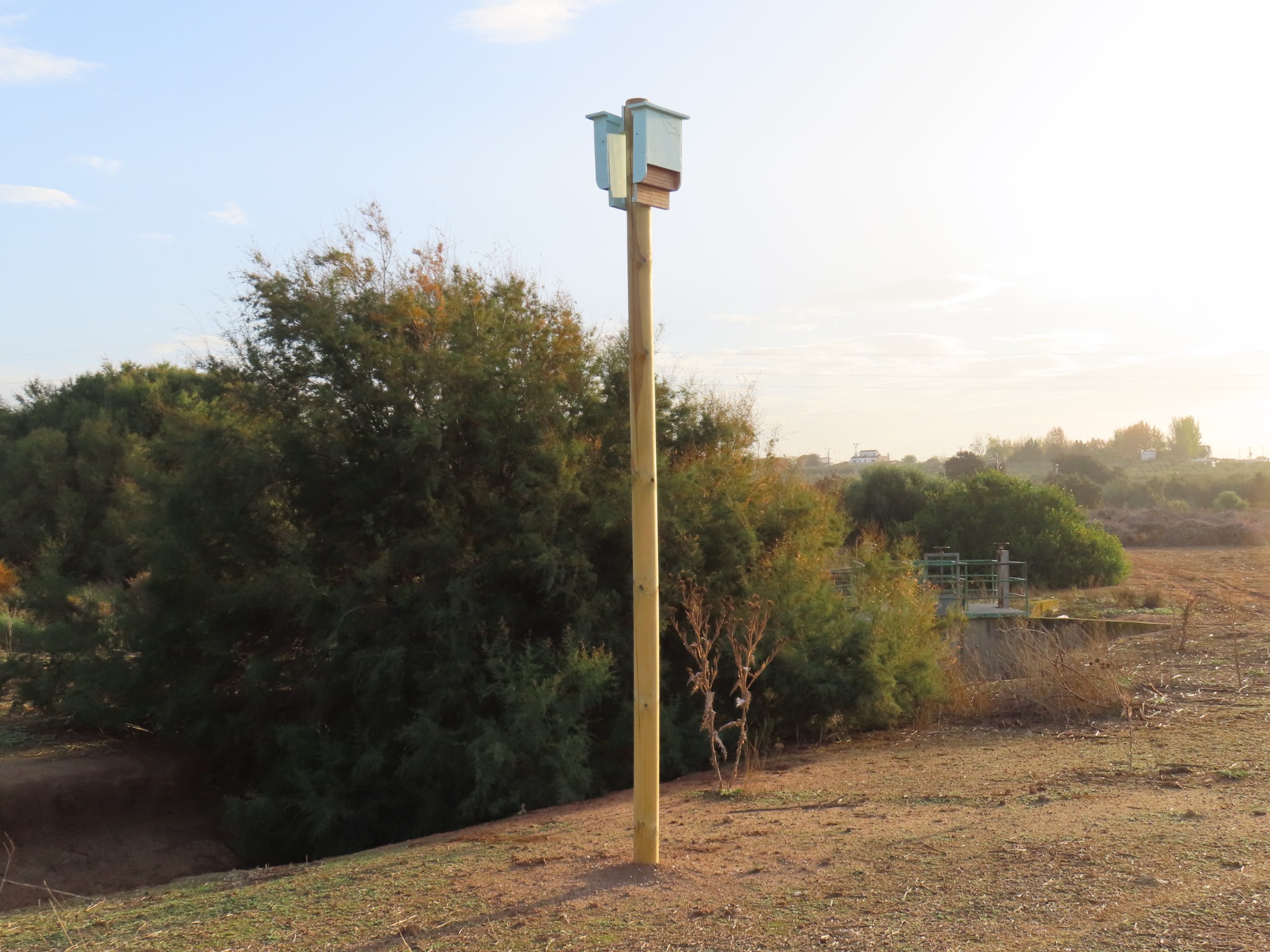
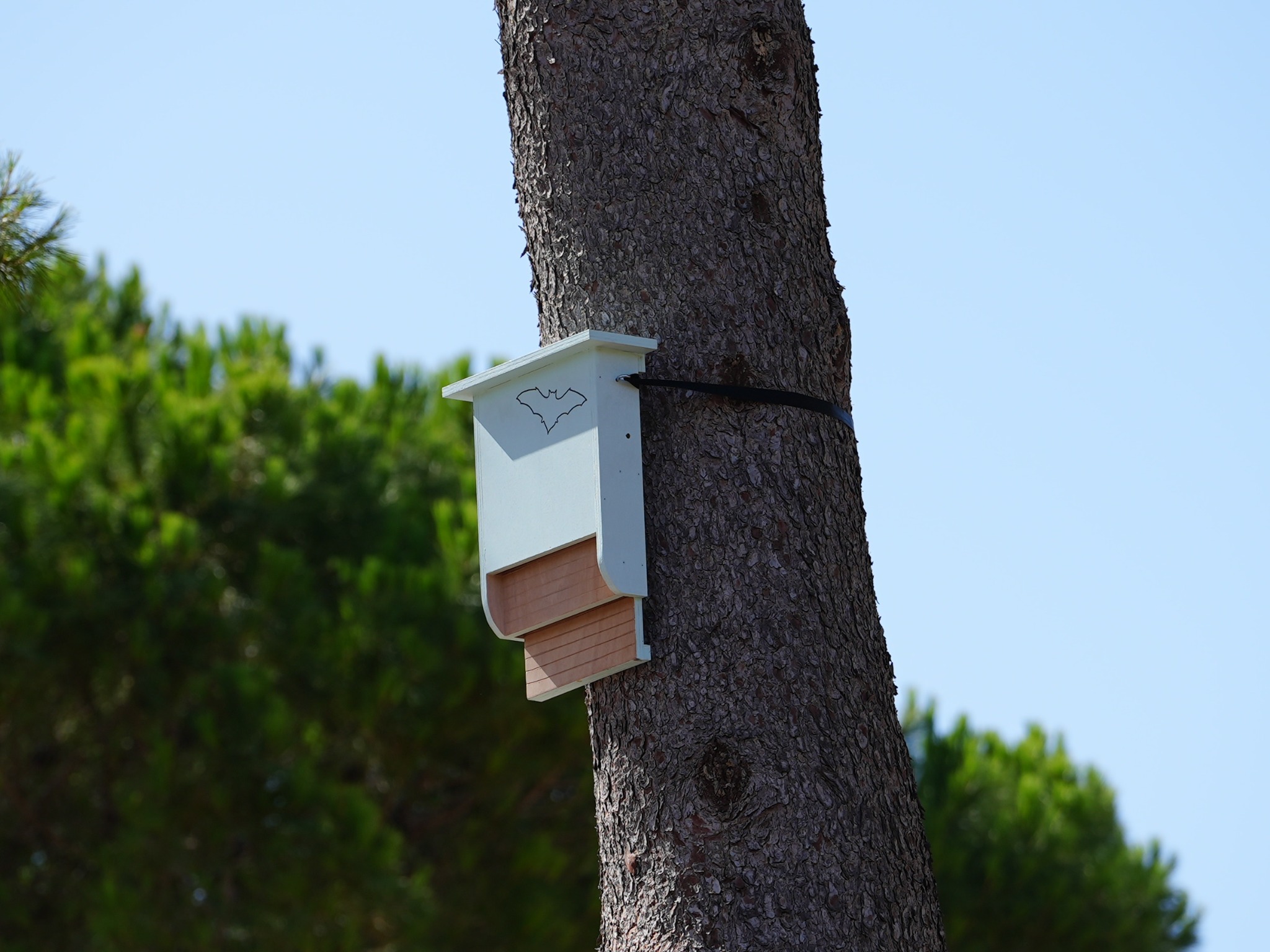
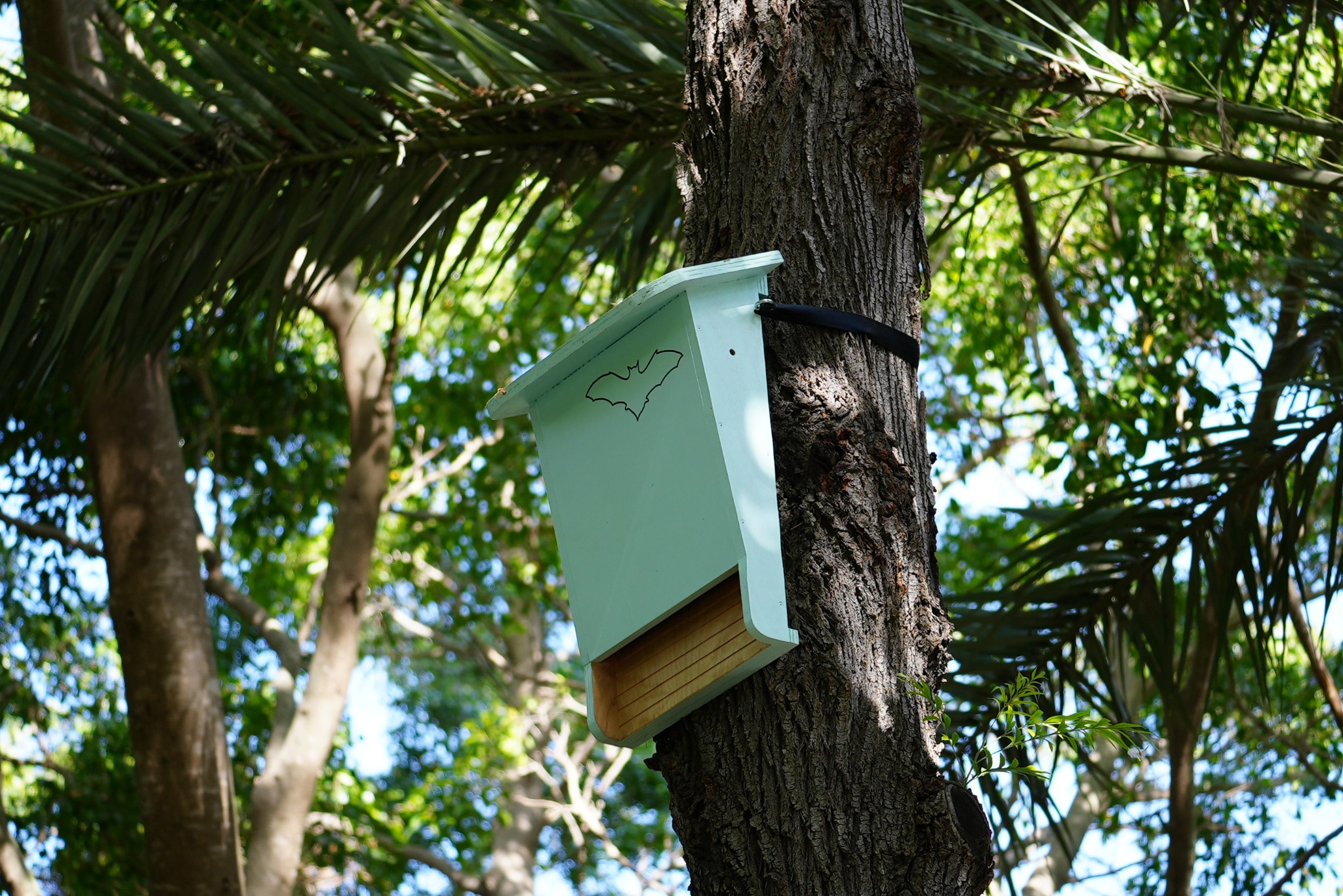
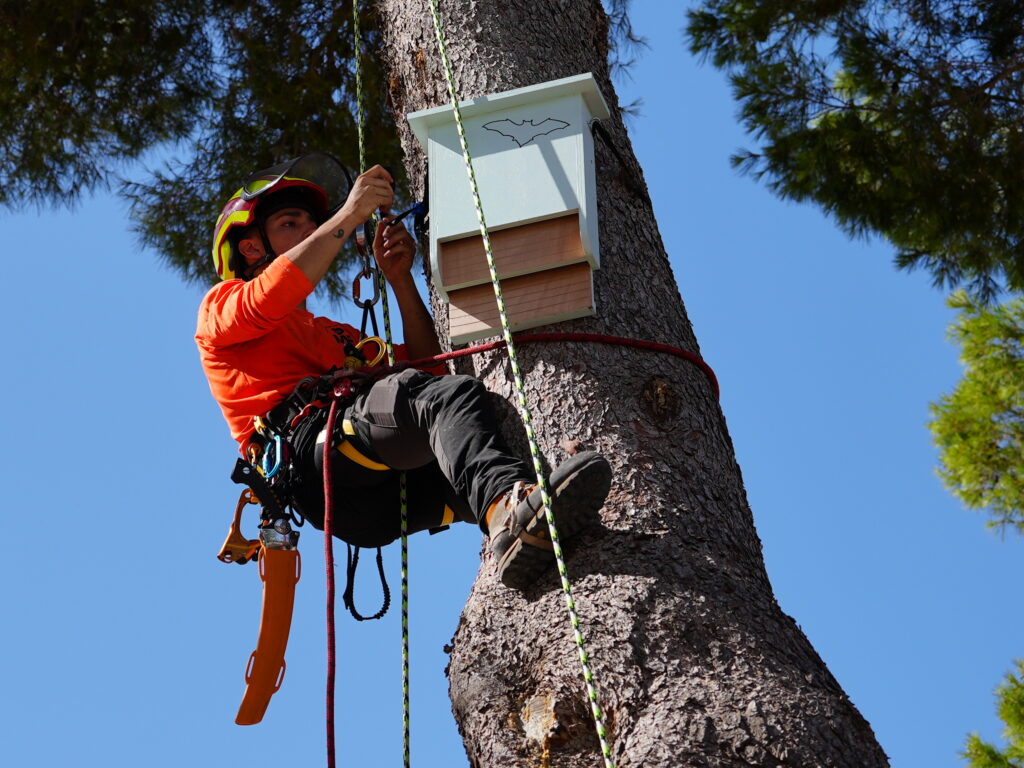
Our bat boxes are designed to provide a safe and functional space that supports their conservation and helps maintain the natural balance of the ecosystem. Made from durable and sustainable materials, they are ideal for installation in gardens, orchards, buildings, or rural areas. In addition, we offer guidance on proper placement to maximize their effectiveness as an alternative habitat.

OUR BAT SHELTER BOXES

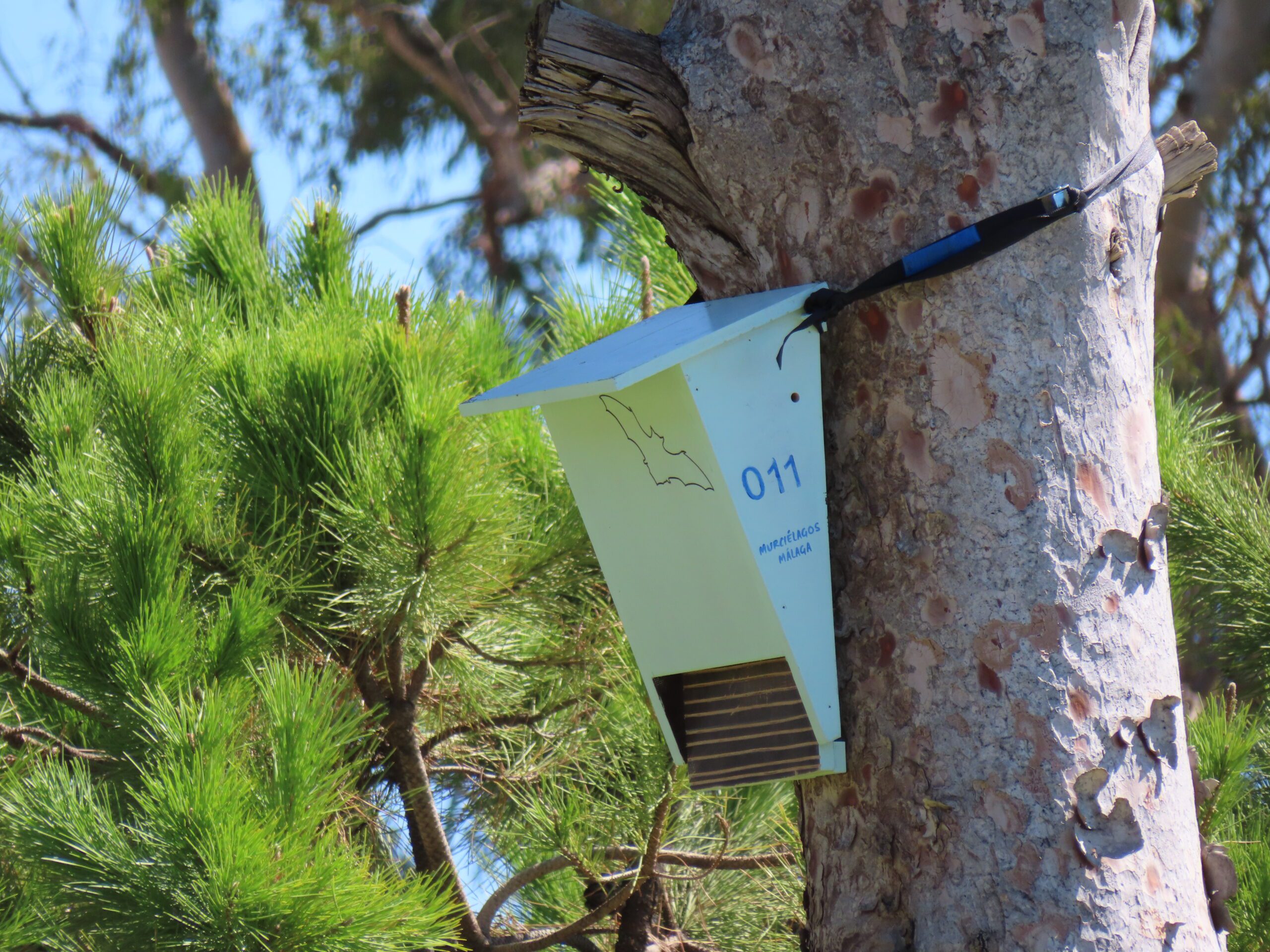
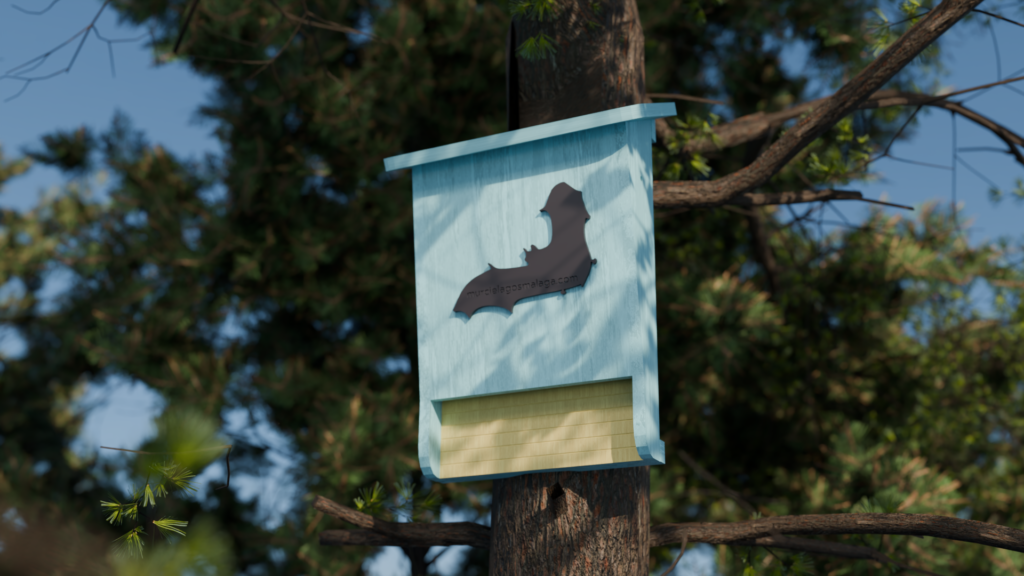
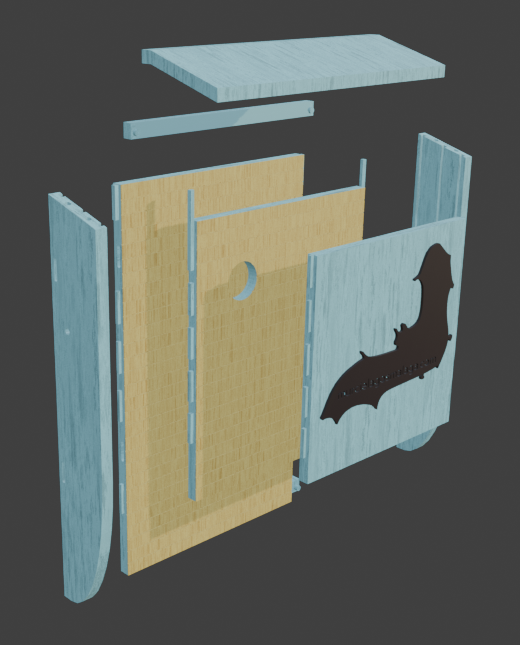
The shelters we manufacture at Murciélagos Málaga are unique pieces that, in addition to offering excellent protection against UV radiation and humidity, are handcrafted and made using 3D printing techniques, using a wide range of high-quality materials such as wood, biodegradable and compostable products, and repurposed organic waste. This supports the recovery of species in the areas where they are installed. It’s an innovative and sustainable way to address biodiversity conservation, providing shelter and protection for wildlife.

What for?

Well, to save thousands of euros on pesticides. These shelters help foster bat populations, making them an essential strategy to reduce insect abundance in cities and agriculture.

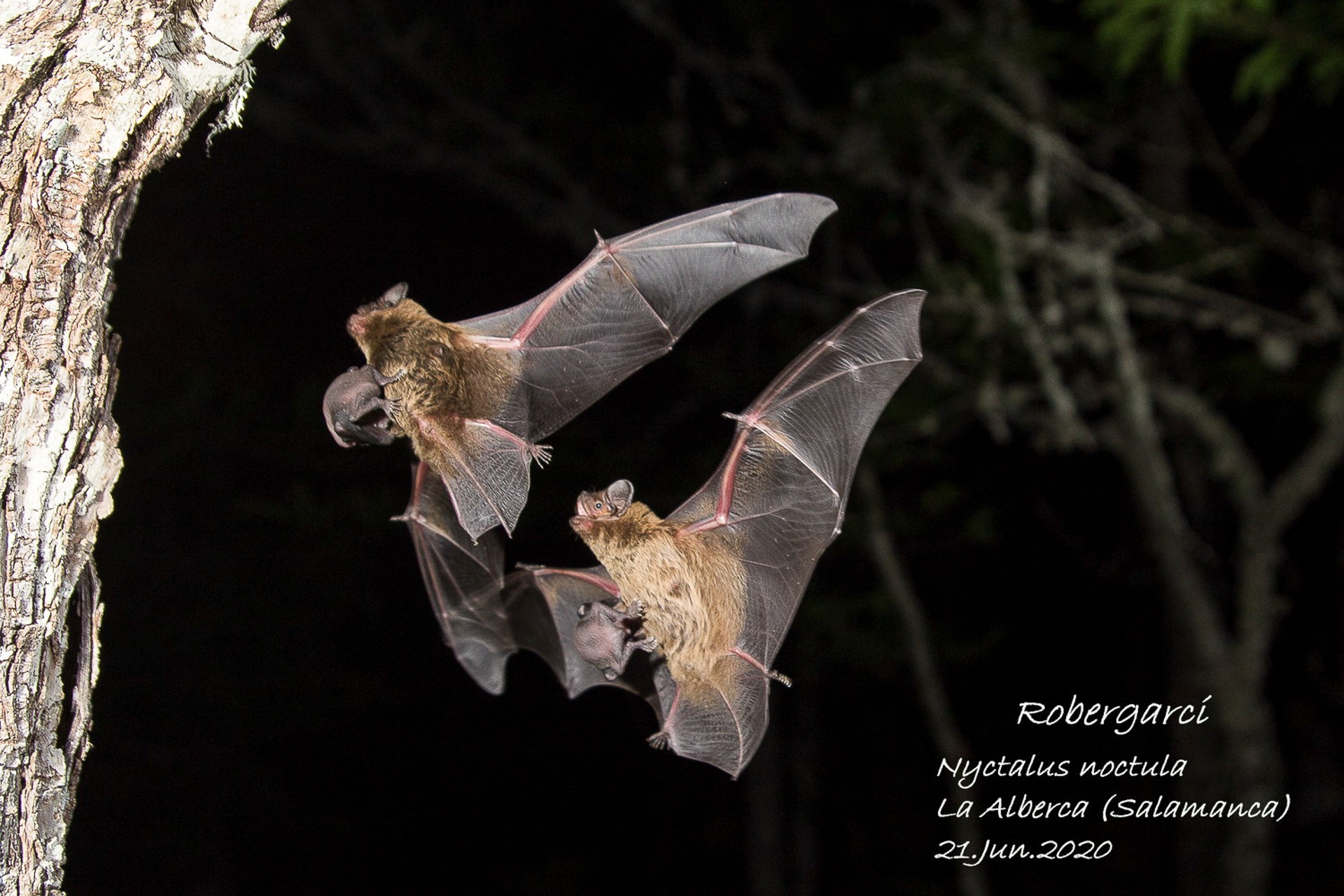
Their diet includes numerous disease-carrying and highly invasive insect species such as the tiger mosquito (Aedes albopictus), phytophagous insect species like the olive fruit fly, the grape berry moth, the nocturnal pine processionary moth, the green leafhopper of the vine, and more.

Bat Boxes are designed for

icono_golf

Golf Courses, Hotels, and Campgrounds

icono_agricultores

Farmers, Foresters, and Cooperatives

icono_instituciones

Government Agencies, Public Institutions, Natural Science Museums

icono_centros_comerciales

Visitor Centers and Shopping Malls

icono_empresas_ambientales

Environmental and Phytosanitary Treatment Companies

icono_ampas

Educational Centers and Parent Associations (AMPAs)

icono_ongs

NGOs and Nature Conservation Associations

Yes, we know there are other commercial bat boxes you can buy online.

In fact, we’ve conducted a comparative study between other bat boxes and our own bat shelter designs.

Here’s everything we’ve discovered:

At Murciélagos Málaga, you’ll receive expert advice and ongoing support to ensure your bat shelters remain in excellent condition—and that their winged residents are very, very happy.

We create handcrafted, sustainable bat shelters that combine quality and ecology. Made from carefully selected wood and assembled in Málaga, these shelters provide a safe and durable environment for bats—reflecting our commitment to excellence and sustainability.

Don’t miss out on your best ally in the fight against mosquitoes and insect pests.

Many companies, institutions, and schools already count on us to drive initiatives in conservation, environmental education, and ecological restoration:

Contact us to install your bat shelters

You don’t just get a bat shelter—you also receive a custom-designed maintenance and monitoring program tailored to your facilities.

Would you like to help conserve bats and reduce mosquitoes and pests in an eco-friendly way?

Murcielago de herradura pequeño

©Fiona A. Reid

icono_fabricacion

We also manufacture shelters for other wildlife species such as butterflies, kestrels, little owls, hoopoes, various tits, and geckos, among others.

You’re probably wondering about a few things…

Questions and answers about living with bats

Bats, due to their biological cycle, do not form large colonies for extended periods. In fact, depending on the time of year, their social structure varies greatly.

After the maternity period, bats tend to disperse and look for other shelters in nearby areas.

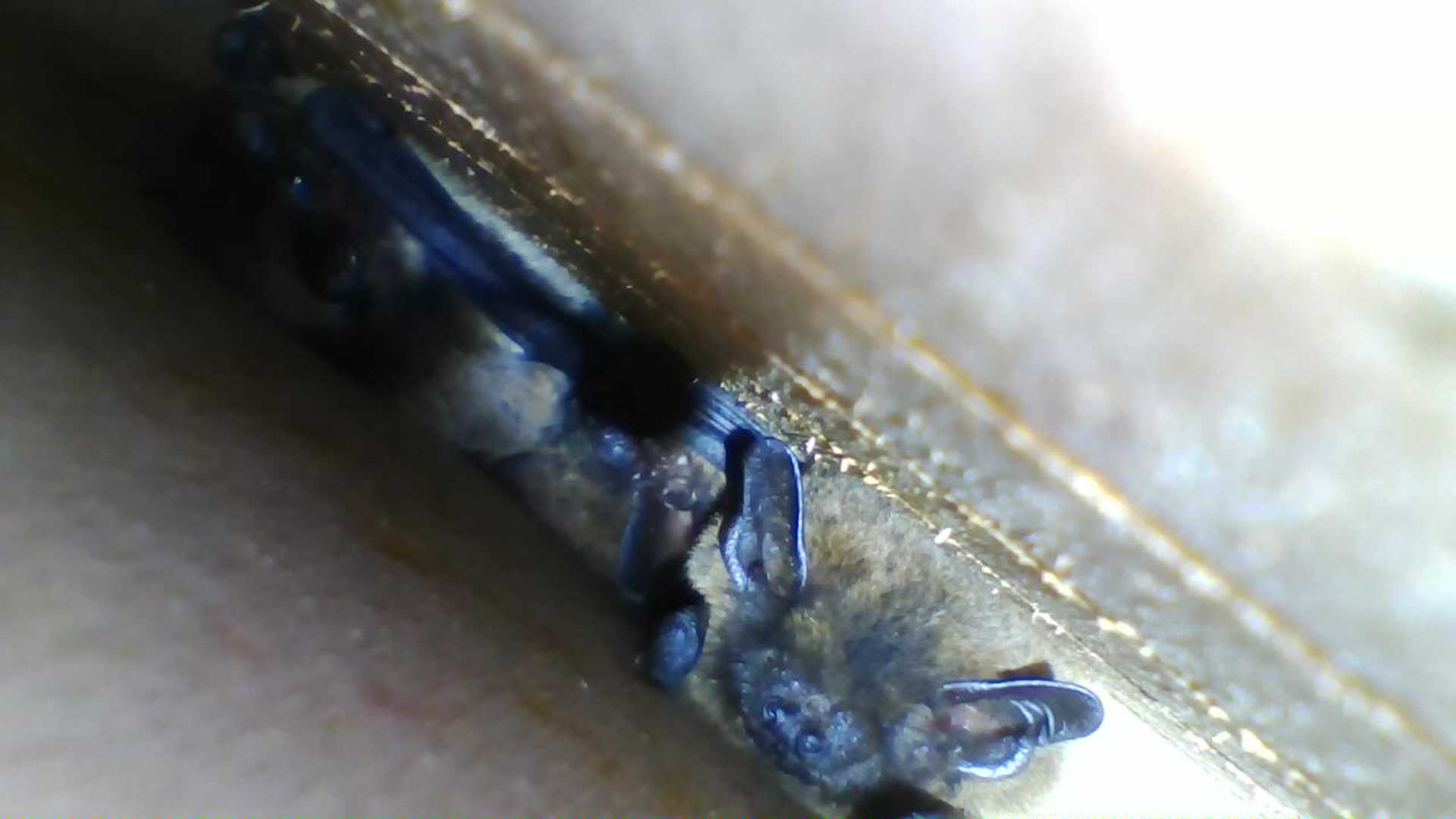
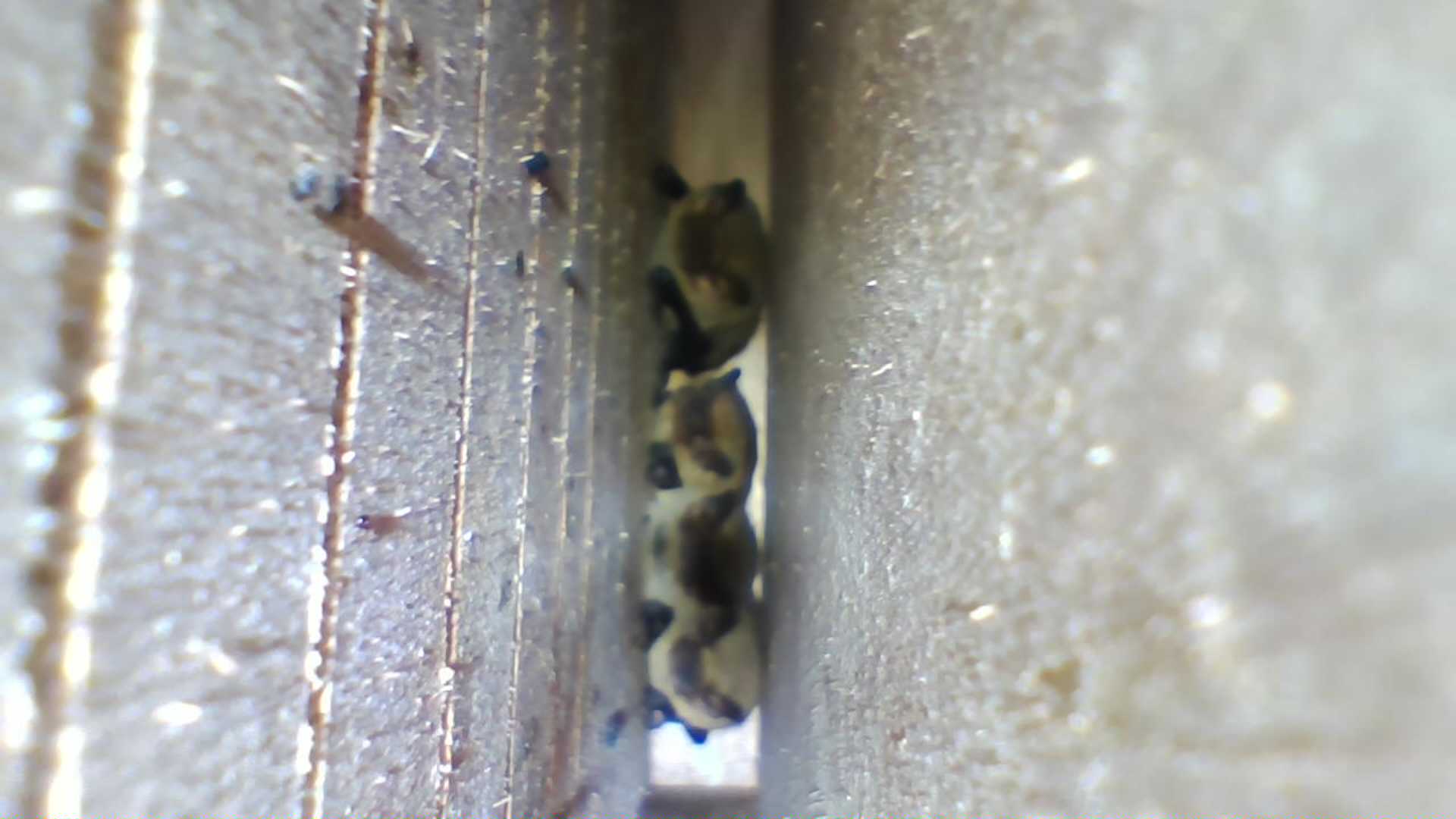
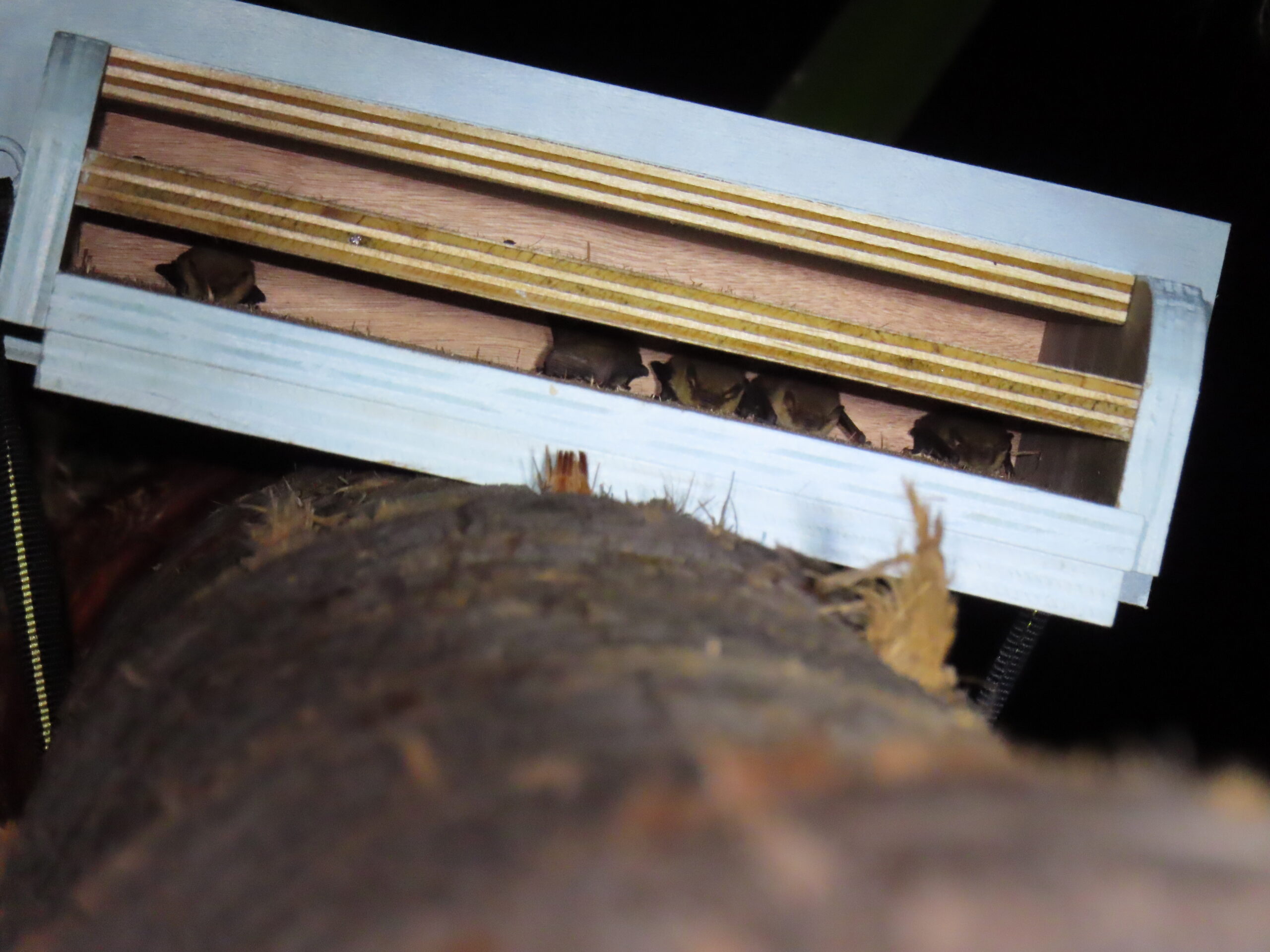
During breeding season, the shelters are occupied by mothers and their babies, while the males move to other shelters to give them space. However, during mating season, it’s the males who occupy the shelters accompanied by a harem of females.

During hibernation, bats do not leave the shelters due to the cold and the lack of insects. Outside of this period, when the weather warms up, they only go out at dusk and at night to hunt insects. At dawn, they return home and stay there all day.

Take note: only 3 out of the 1,400 bat species in the world feed on blood. And none of those 3 species are found in Europe.

So no, the vampire turning into a bat has no scientific basis whatsoever.

You have the option to clean it up just like you would with your pet’s waste, or use it as a natural fertilizer for your plants.

With the Covid-19 pandemic, the false claim spread that bats were responsible for transmitting the disease. But no, to this day there is no scientific evidence to support this.

If we look at other diseases such as rabies, according to the Spanish Association for the Study and Conservation of Bats, less than 1% of healthy bats are carriers of the disease.

No, no, and no. Bats are peaceful animals that mind their own business and have absolutely no intention of attacking or being aggressive. They will only defend themselves if they feel threatened or trapped.

The box’s manufacturing and design measurements are specific to the size of bats, so birds and potential predators cannot enter the shelters.

However, geckos can—and their presence is actually great for the bats, as they help clean the shelters from small insects like spiders and flies. It’s a true example of symbiosis.

Remember, if a bat has entered your home, it’s done so by mistake—and what we should do is help it return safely to its natural habitat.

If the bat enters at night, simply close the doors to the room it’s in and leave the windows open so it can find its way back outside on its own.

If it enters during the day and you find it resting on a wall or piece of furniture, get a cardboard box, make a few small holes for ventilation, and place a cloth inside so the bat feels safe. Then, use a sturdy piece of paper or cardboard to gently guide the bat into the box. Keep the box in a quiet, cool place until nighttime. Once the sun has set, release the bat from a high point, like a windowsill.

Bats have several natural predators, including certain birds of prey and nocturnal species such as kestrels, little owls, barn owls, and other owls.

Additionally, Argentine parrots—while not direct predators of bats—can attack them and drive them out of their natural roosting spots, such as palm crowns and urban trees.

Questions and answers about the false myths surrounding bats

This idea dates back a long way—specifically to the times of the Roman Empire. Back then, biology and zoology were in their infancy, so they named the bat based on what they thought it resembled: mus (Latin for mouse) and caecŭlus (meaning blind).

This is another widespread false myth. Bats not only have excellent vision, but also rely on echolocation—a kind of natural GPS based on sound waves—that allows them to navigate in the dark and locate food with great precision.

Yes—just like black cats, breaking a mirror, or walking under a ladder… In short, another false myth. This idea has been fueled by the bat’s unusual appearance and old dark legends involving witches and ghosts—completely without reason.

In fact, in countries like China, the bat is a symbol of long life, prosperity, wealth, and health.

Join the change: protect bats and help combat pests in a sustainable and responsible way.