

Murciélagos Málaga Reviews

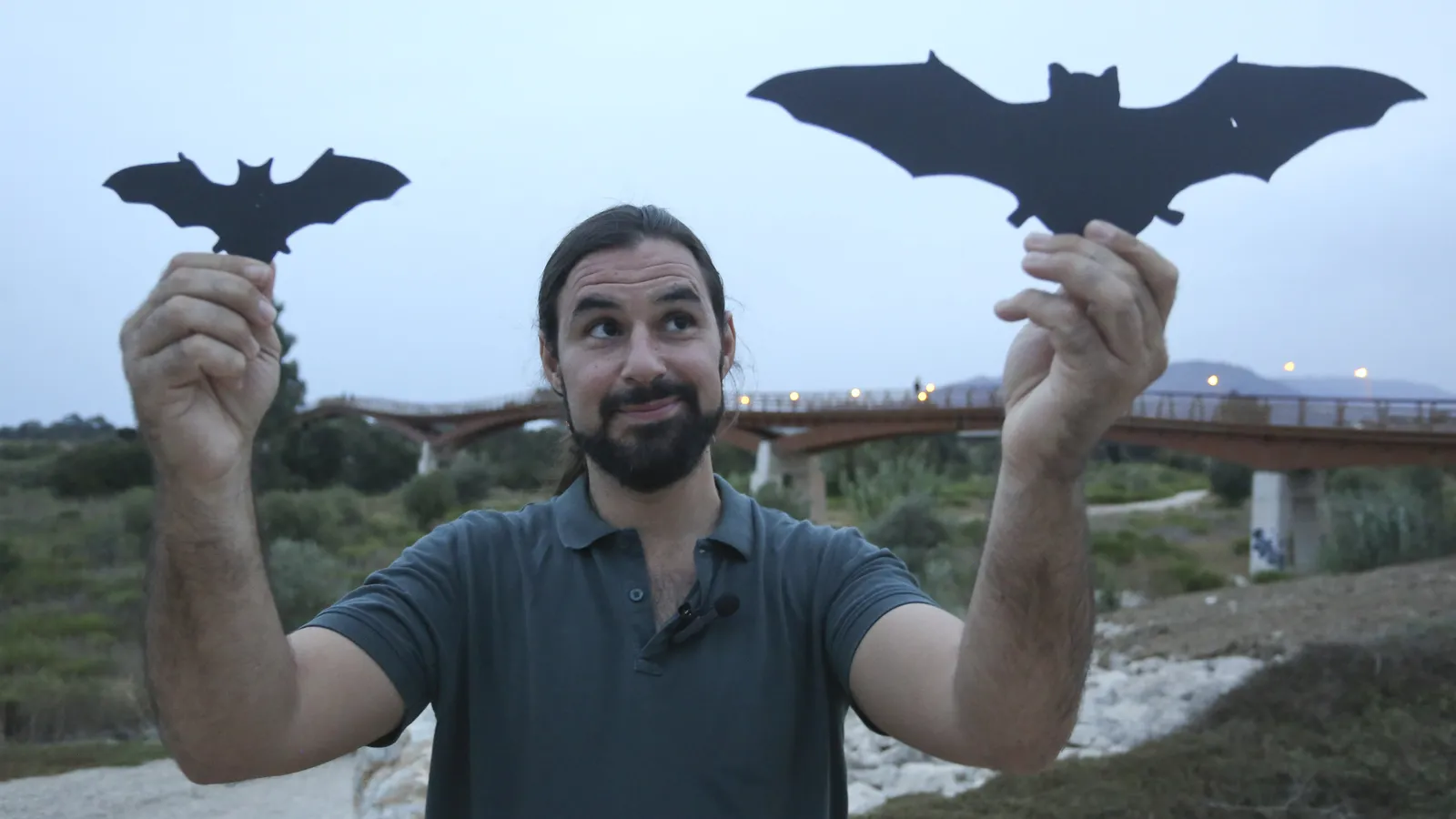
Here, Antonio Moret!
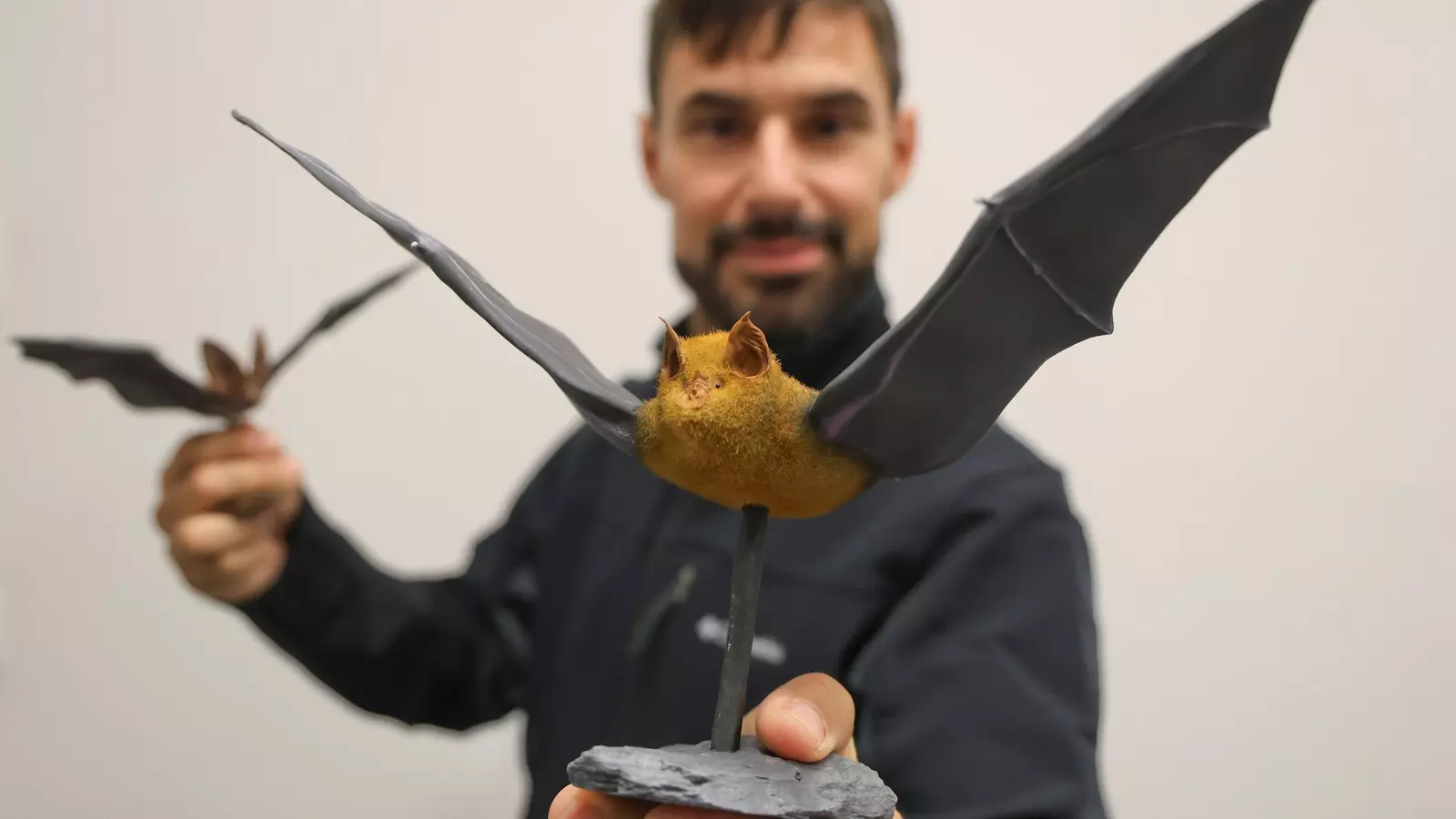
Let me tell you why I joined this movement for the conservation of bat species.

I’m going to start by giving you three strong reasons.

Antonio Moret
icono_plagas

They reduce the abundance of pests

They reduce the presence of pests harmful to public health and agriculture, such as mosquitoes, moths, bedbugs, and more.

A single small bat can eat between 1,000 and 3,000 insects each night. They are our best allies in helping to reduce populations of mosquitoes, moths, and grasshoppers. Moreover,

These mammals are experiencing a widespread population decline across the Málaga region, as well as in Spain and the rest of Europe. This decline is due to various risk factors: reduced food sources, pesticide use, deforestation, and most importantly, the loss of roosting sites.

Save on pesticides

Thanks to them, we reduce the need for pesticides, have cotton clothing, and can enjoy drinking tequila.

From an economic perspective, this phenomenon leads to substantial savings in pesticides—estimated between 1 and 10 million euros annually in Spain alone. Globally, the benefits bats provide are immeasurable, as they pollinate plants such as agave (used to produce tequila), among many other economically important species.

icono_cura

Science and Research

The study of bats can help us improve treatments for diseases affecting both human health and the environment.

Diseases transmitted by mosquitoes—such as West Nile virus, Dengue, and others—pose serious health risks. Additionally, some bat species in Latin America have a powerful anticoagulant substance in their saliva, which is being researched in medicine for its potential use in treatments for heart attacks and aneurysms.

And these are just 3 examples of how bats add value to our daily lives.

Keep reading if you want to learn more!
F

©Fiona A. Reid

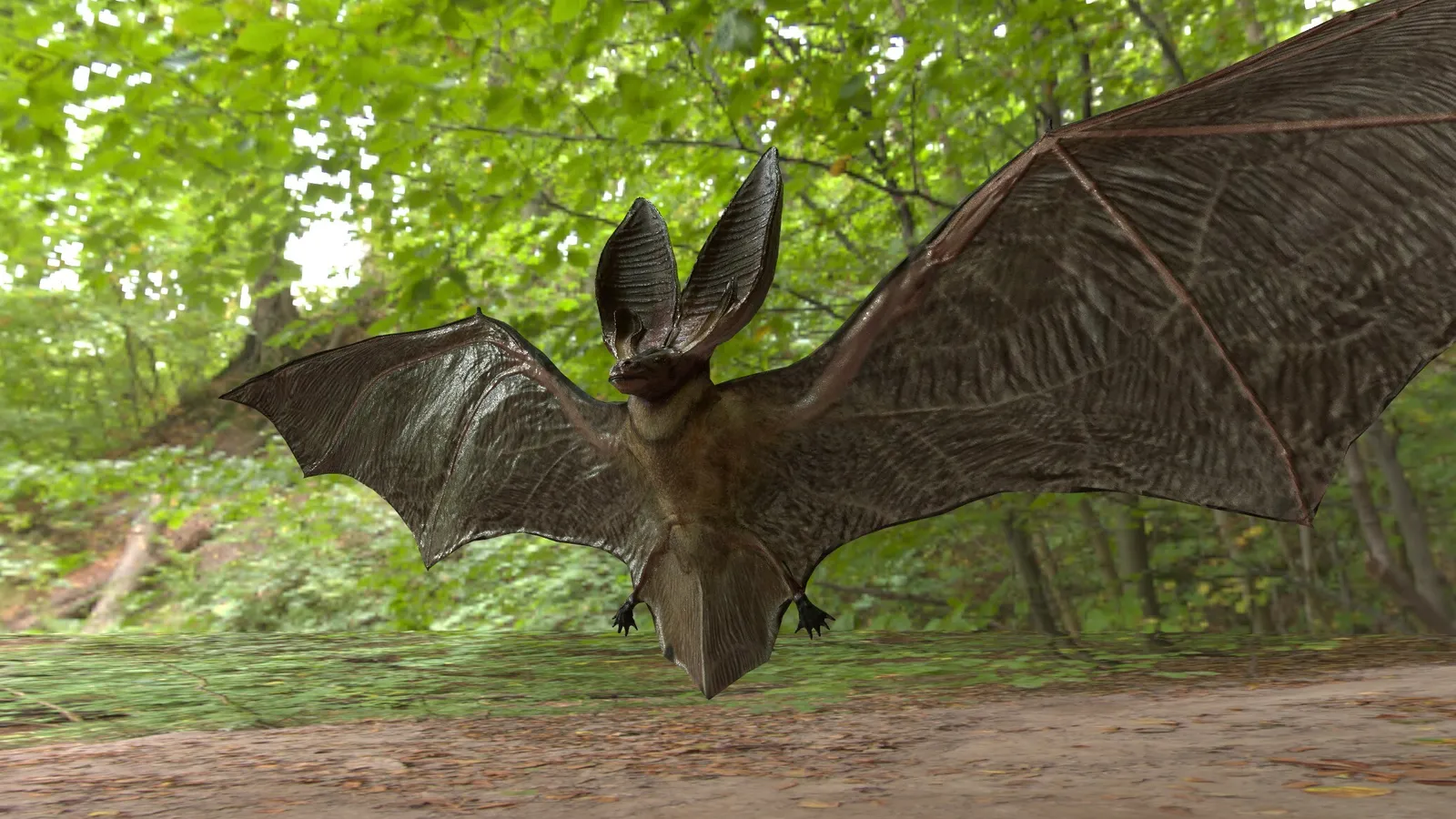
Okay, I admit that up close they might look like little winged mice — but nothing could be further from the truth. Bats belong to the order Chiroptera (which means “winged hands” in Greek) and are not even remotely related to rodents.

In fact, saying that rodents and bats belong to the same family would be like saying rabbits and elephants share a common origin.

But let’s keep going, there’s still more I want to share with you!

The bat is an animal that, despite all the benefits it provides to the balance of ecosystems and human life, has been treated very unfairly throughout history.

In fact, there are countless false myths with no scientific basis.

murcielago_ilustracion_4

©Fiona A. Reid

Will you join us in debunking these false legends?

This idea dates back a long way—specifically to the times of the Roman Empire. Back then, biology and zoology were still in their infancy, so they named the bat based on what they thought it was: mus (Latin for mouse) and caecŭlus (meaning blind).

This is another myth that has nothing to do with reality. Bats not only have excellent vision, but also use echolocation—a kind of natural GPS based on sound waves—that allows them to navigate in the dark and locate food with great precision.

Yes—just like black cats, breaking a mirror, or walking under a ladder… Another false myth. The bat’s unique appearance and its connection to old legends about witches and ghosts have fueled this baseless idea.

In fact, in countries like China, the bat is a symbol of long life, prosperity, wealth, and good health.

With the Covid-19 pandemic, the false claim spread that bats were responsible for transmitting the disease. But no, to this day, there is no scientific evidence to support that.

If we look at other diseases such as rabies, according to the Spanish Association for the Study and Conservation of Bats, less than 1% of healthy bats are carriers of the disease.

No, no, and no. Bats are peaceful animals that mind their own business and have absolutely no intention of attacking or being aggressive. They will only defend themselves if they feel threatened or trapped—just like any other wild animal would.

Take note of this: only 3 out of the 1,400 bat species in the world feed on blood. And none of those 3 species are found in Europe.

So no, the whole vampire-turns-into-a-bat thing is just another big myth (a really big one).

After debunking the false beliefs about bats, we now present the reasons behind our project dedicated to the protection and conservation of these species.

This love for nature conservation began when I was a child

Antonio_murcielagos_malaga

Back then, I lived in a house near the mouth of the Guadalhorce River. In my free time, I used to ride my bike to explore a bit and enjoy nature—I always found a new path, a type of bird I hadn’t seen before, a turtle, or some unknown plant.

But I wasn’t alone on those adventures; there was always a rather annoying companion that made sure I came home covered in bites: the tiger mosquito.

I remember sometimes trying to pedal as fast as I could to escape the clouds of mosquitoes and avoid getting bitten, but even then, it never worked. The bites were inevitable—along with the itching, discomfort, and sometimes fever and chills.

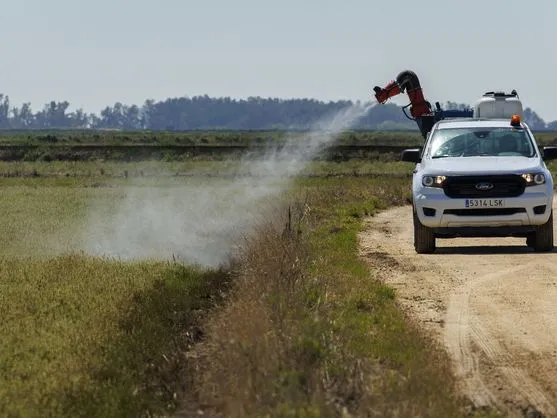
Several years later, I graduated as a Senior Technician in Forestry and Natural Environment Management. For my final project, I decided to analyze a public tender that proposed fumigating the areas near the Guadalhorce River, a place that at the time was suffering from a severe overpopulation of tiger mosquitoes that was heavily affecting the city.

The plan proposed by the authorities involved applying insecticides to eradicate the mosquitoes. However, upon studying the situation, I realized that fumigation wouldn’t just eliminate mosquitoes—it would also negatively affect local food chains, impacting bats, birds, amphibians, and reptiles that rely on these insects as a food source.

This understanding became a key turning point in my analysis, leading me to consider alternative, nature-based solutions that could mitigate the mosquito problem without compromising the well-being of other species in the ecosystem.

How can they decide to fumigate with toxic chemicals in a natural area where so many species depend on the environmental quality of the river?

In these situations, it’s crucial to promote a more holistic approach—one that considers not only the elimination of the pest but also the protection and preservation of the overall ecosystem. Alternatives such as biological control, integrated pest management, and environmental education can offer more sustainable and less harmful solutions for the natural environment.

I’m also part of:

red_emprende_verde

Research to find a sustainable alternative to insect pests

And that’s how I discovered that our bats consume thousands of insects every night. Mosquitoes and moths, in particular, make up a significant part of their diet.

Bats are an eco-friendly solution to reduce mosquito abundance!

murcielago_ilustracion_5

Fiona A. Reid

But there was something more: Bats are a highly threatened species that is at risk of disappearing.

And the main threat they face comes precisely from the use of pesticides and phytosanitary products that poison and kill their primary food source: insects.

I contacted the administration that was planning the fumigation to share my findings about the ecological impact. To my surprise, they responded that they were unaware of this information. This made me realize the urgent need to improve communication and education about local biodiversity before making decisions that could threaten our ecosystem.

That day, I thought—if I didn’t take it upon myself to develop this ecological solution and be part of the change in Málaga, no one else would do it for me.

That’s how Murciélagos Málaga was born.

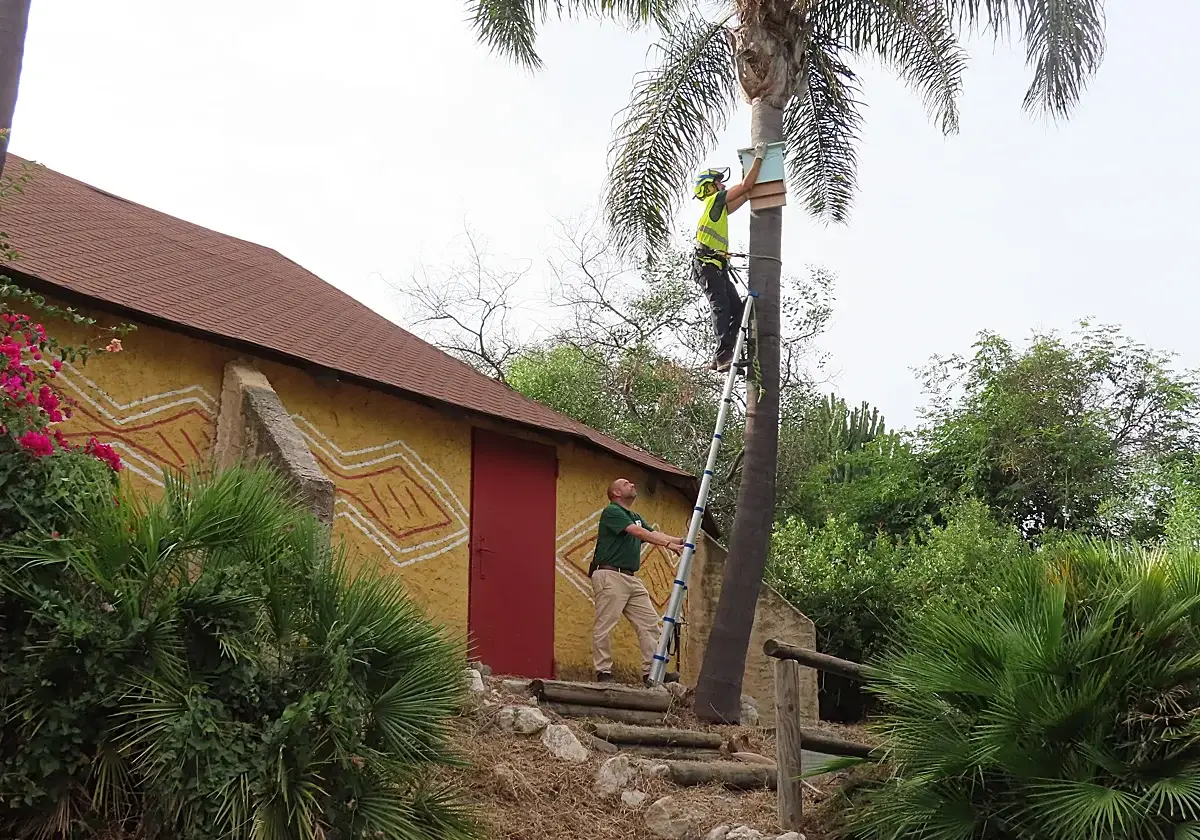
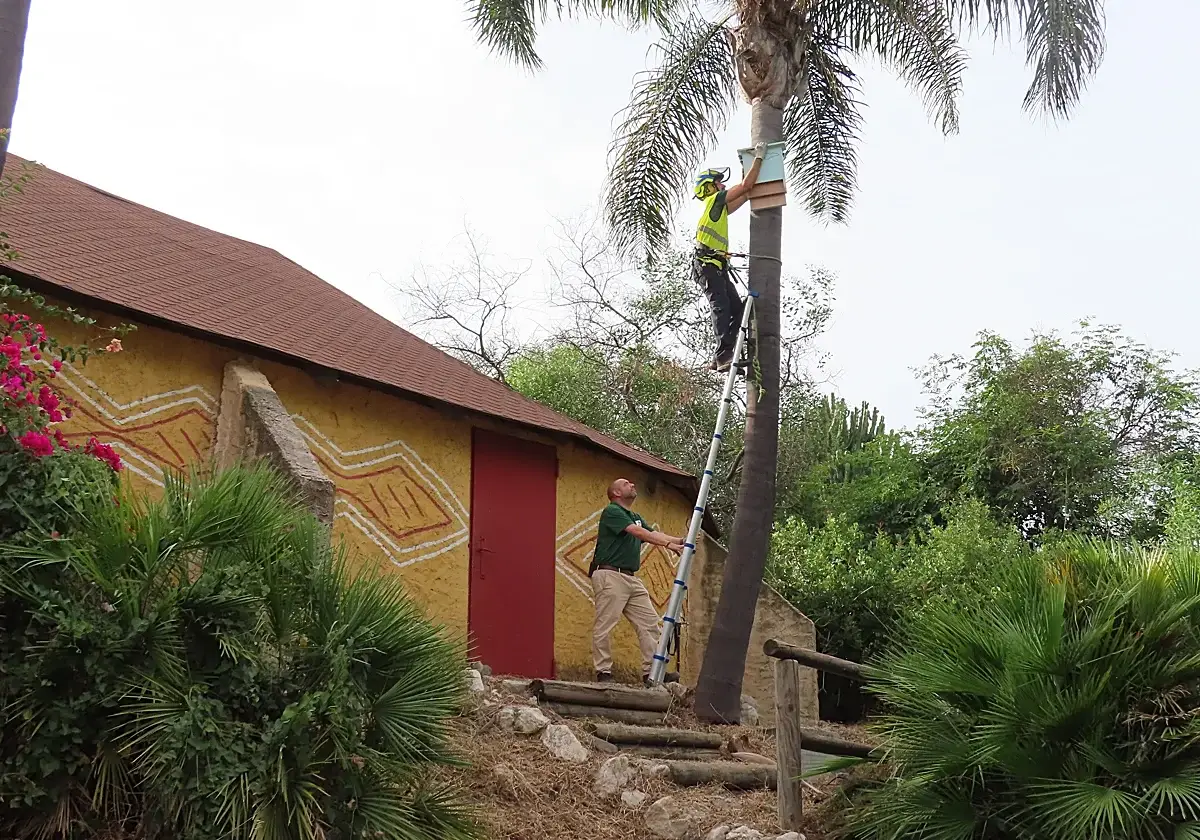
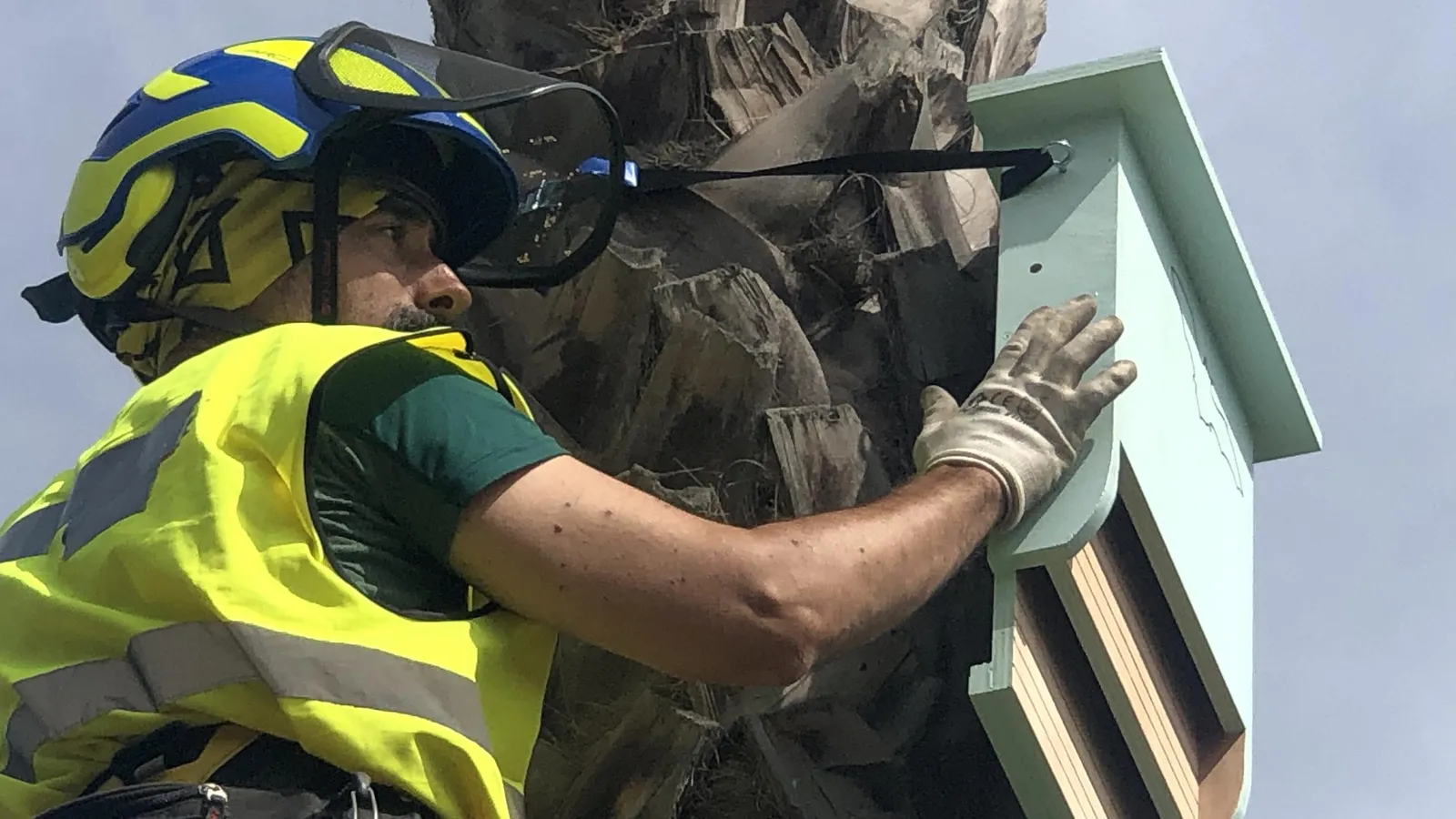
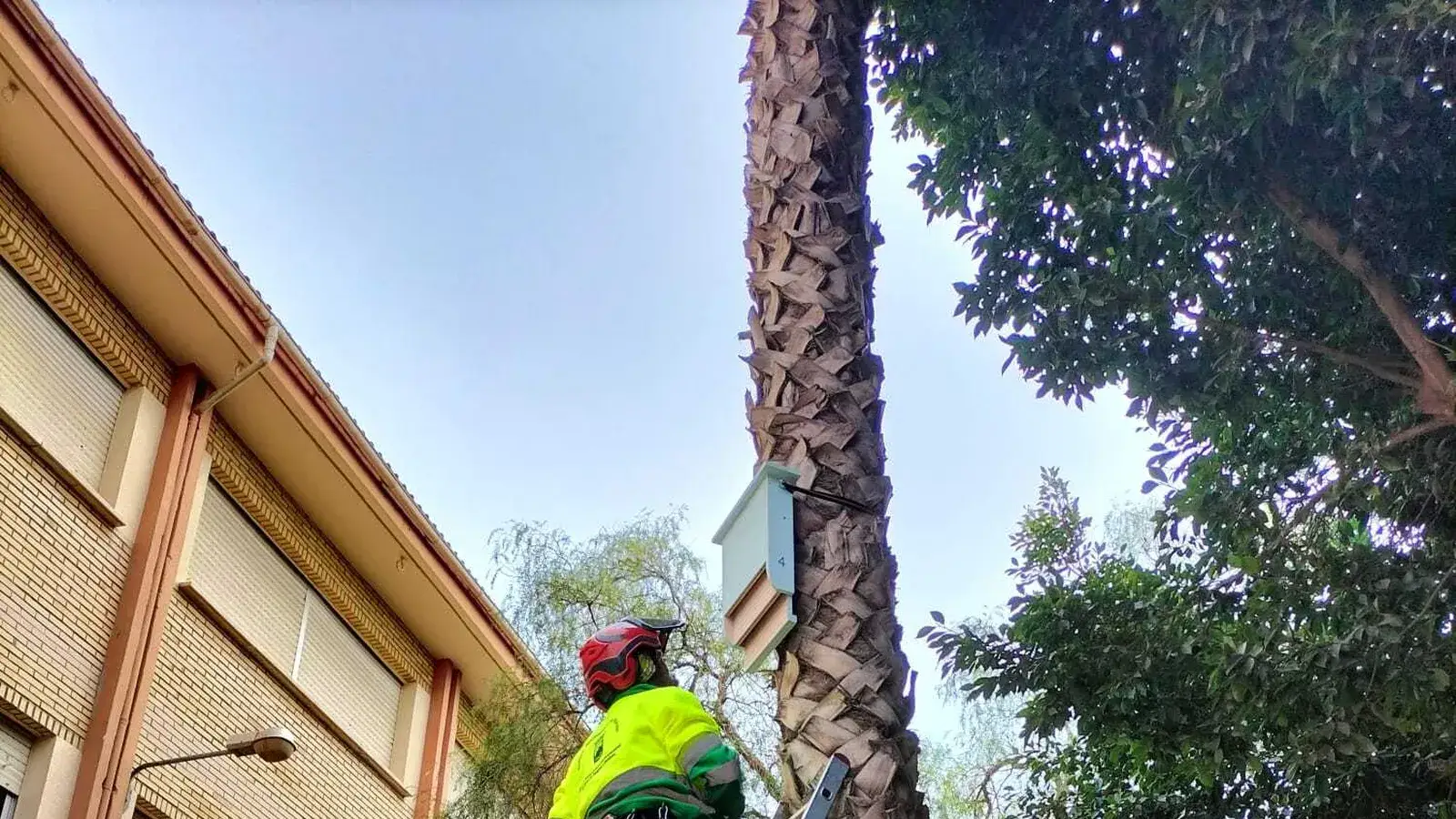
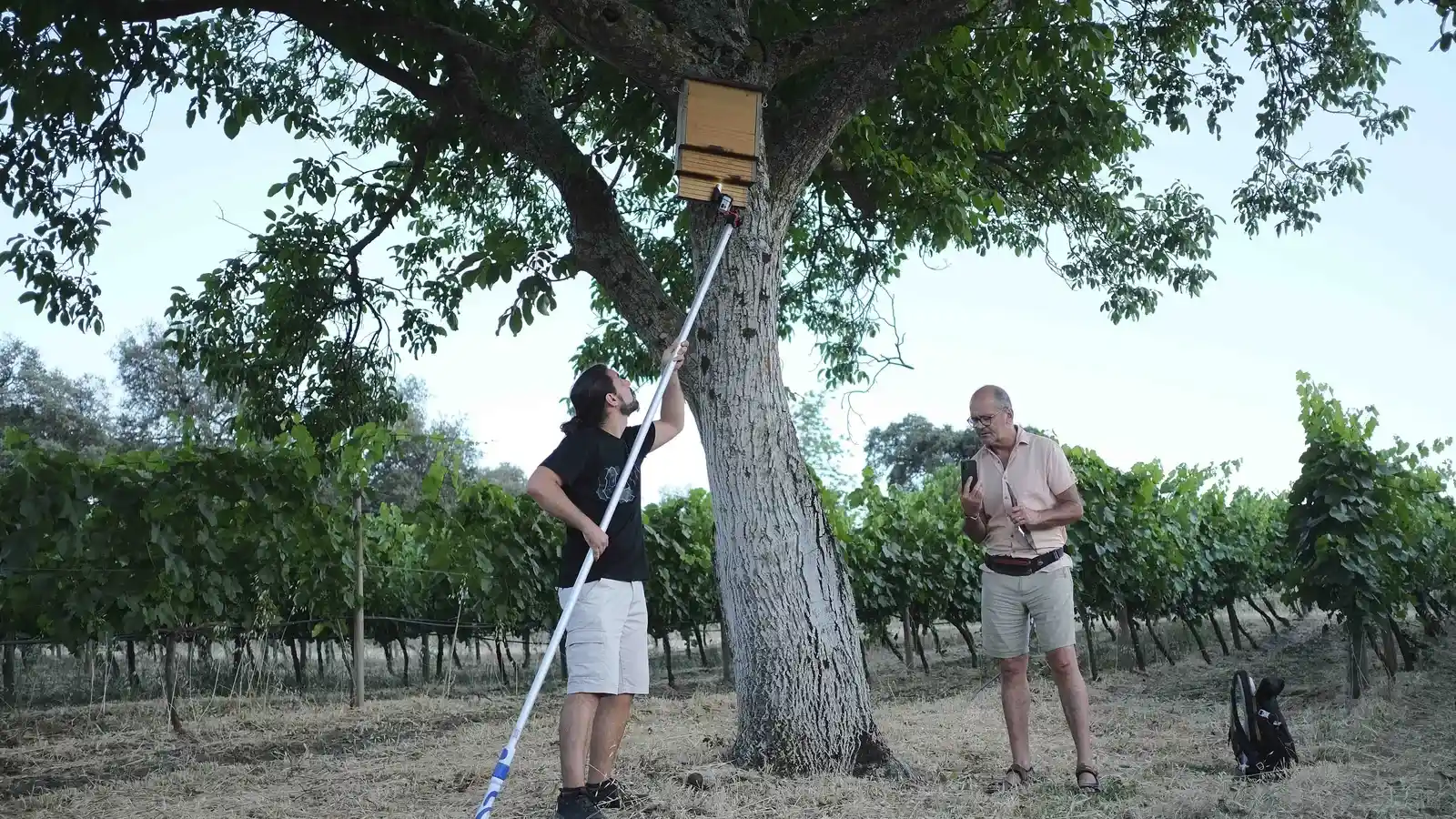
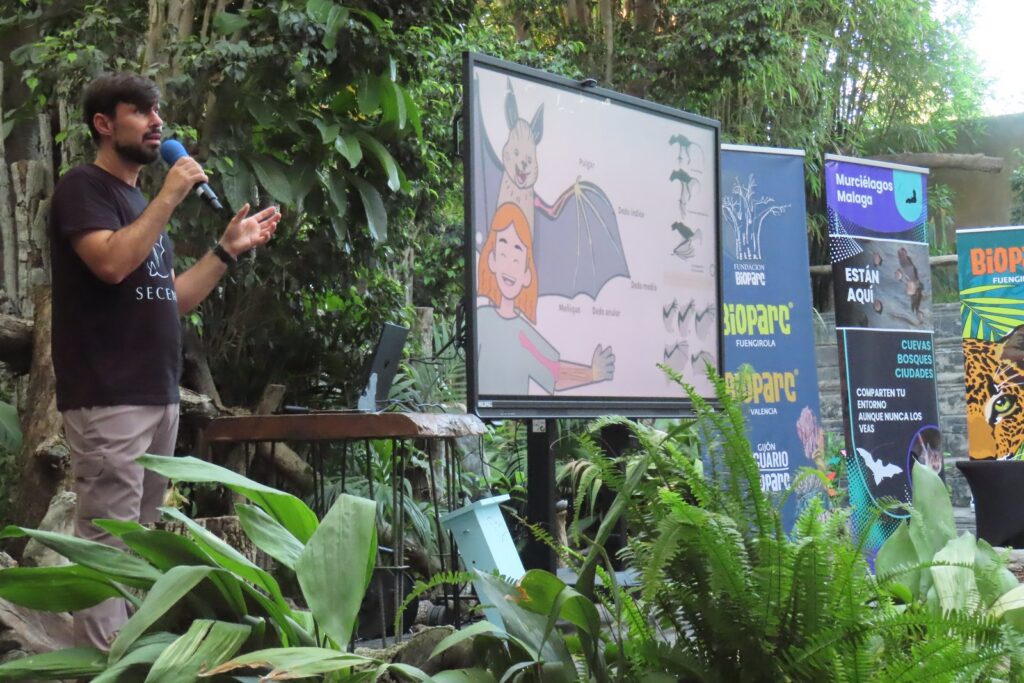
Today, several years after that discovery, I am fully dedicated to the conservation of bats. I’ve helped educate hundreds of people about the importance of protecting our urban biodiversity and have advised many companies on how to implement nature-based solutions that not only support bat conservation but also significantly improve the natural balance of our ecosystems—and, in turn, our health.

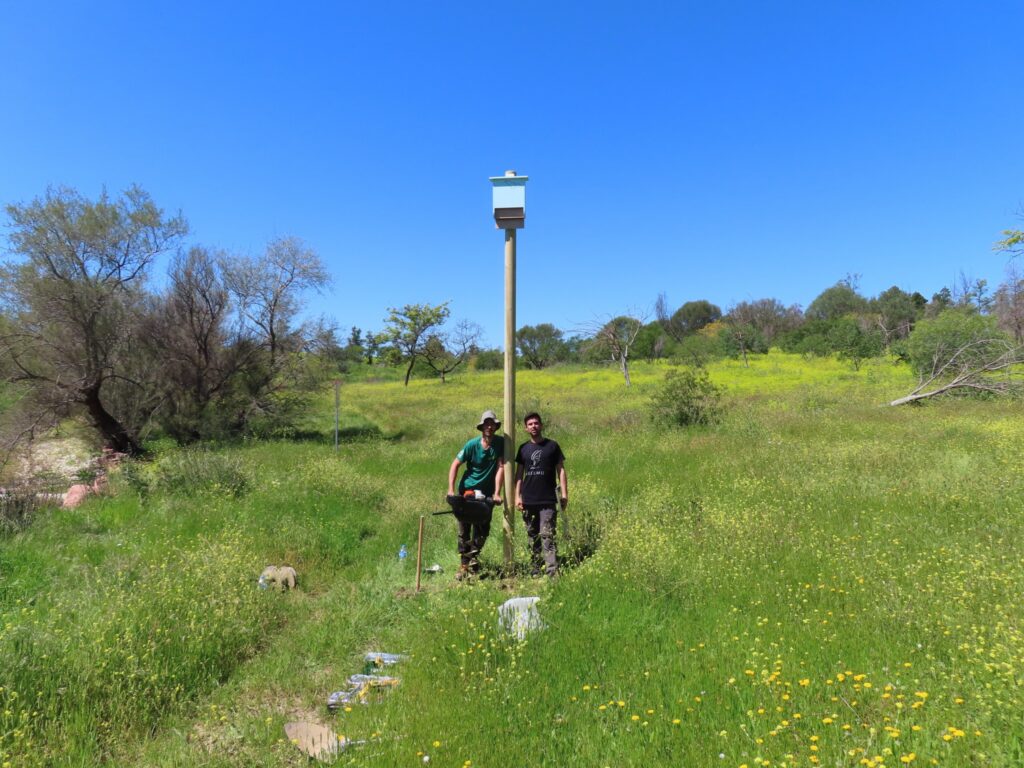
Murciélagos Málaga offers companies, institutions, and educational centers the following services and projects:

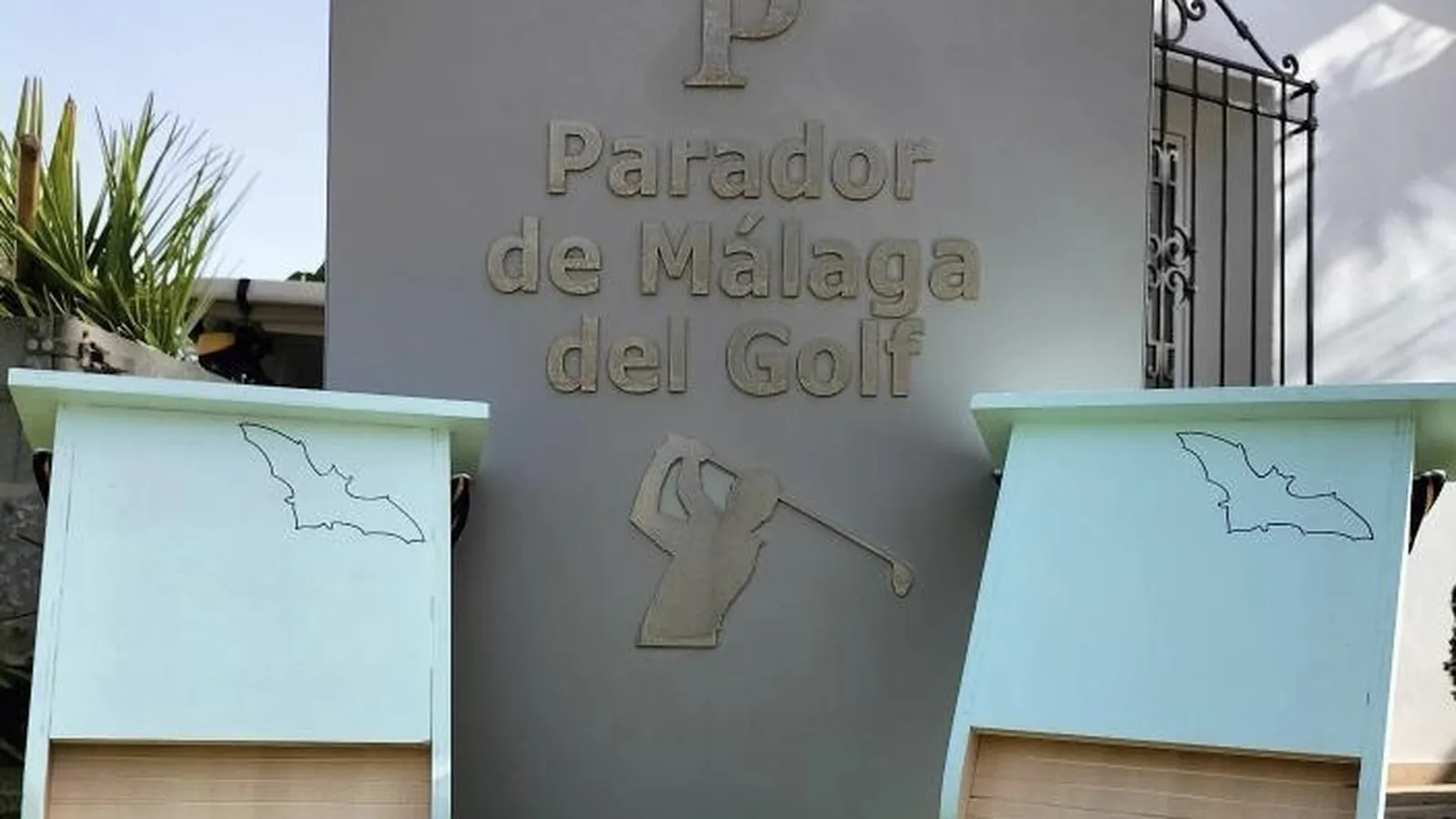
We’re very proud to share that these companies and institutions have already chosen to team up with bats to control insect pests:

Y, a tenor de sus opiniones sobre Murciélagos Málaga, parece que les va muy bien

Además contamos siempre con el apoyo e implicación de entidades comprometidas con la conversación de la biodiversidad y los murciélagos como:

Logo_SECEMU
EUROBATS_logo
REV_logo

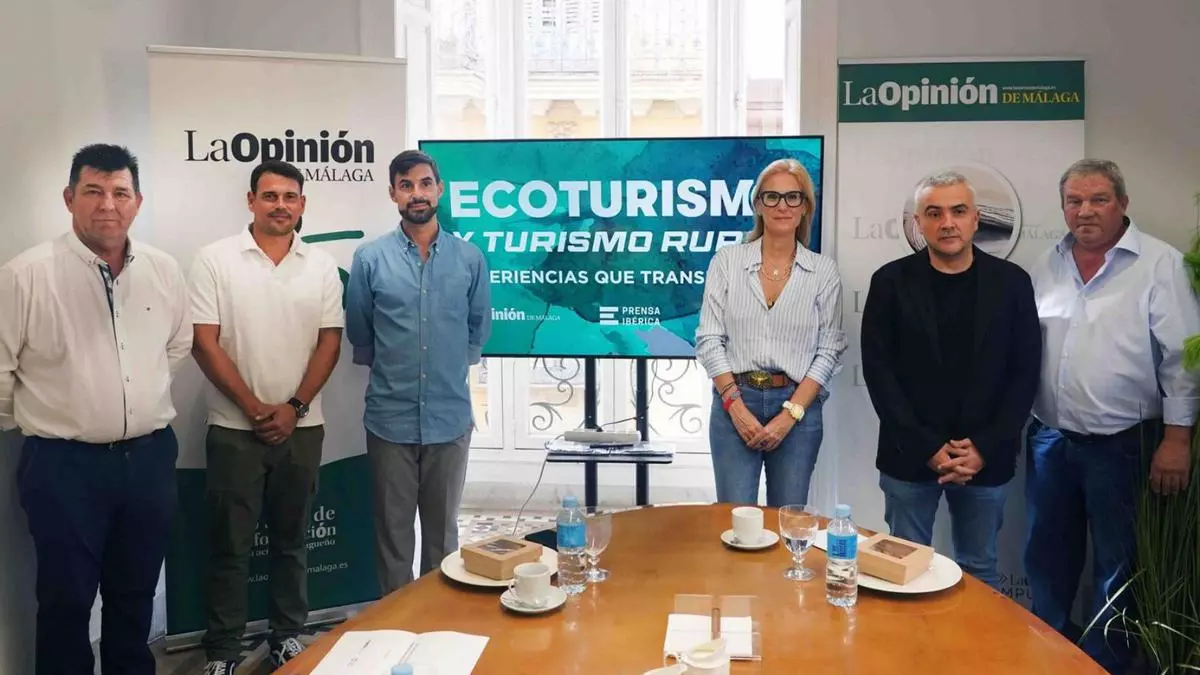
Los medios de comunicación también se han hecho eco de este esfuerzo

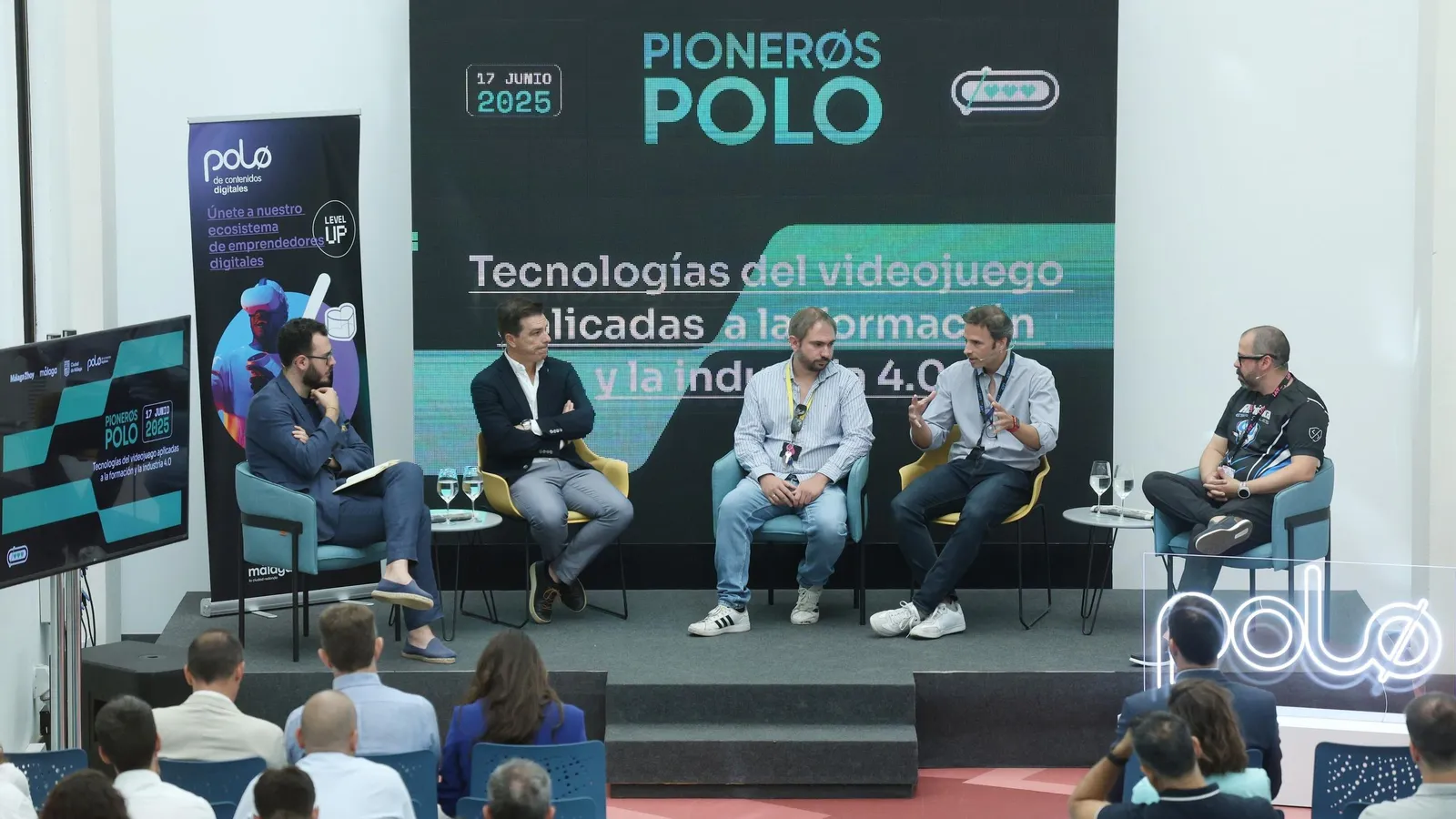
y nos han invitado a participar en varios programas y entrevistas para hablar sobre Murciélagos Málaga

¿Quieres saber de qué modo los murciélagos pueden mejorar nuestra vida y hacernos ahorrar miles de euros en pesticidas?