Specialist training
Field knowledge to learn how to study, conserve and communicate biodiversity.
Tailored courses and workshops for professionals, teachers, museums and educational organisations. We adapt objectives, entry level and practical activities to each team’s needs.
Learn through data, case studies and practice
We design the programme around what your team needs to do. Topics can include:
- Ecological restoration: habitats, biodiversity and monitoring.
- Climate change and organic farming: adaptation and conservation of beneficial wildlife.
- Conservation management: planning, monitoring and interpreting data.
- Bats and bioacoustics: acoustic recording and bat box monitoring.
- New technologies: virtual reality, 3D models and science communication resources.
We combine case studies from our projects with applied exercises. Duration, resources and practical activities are specified in the teaching proposal.
Learning through real activities
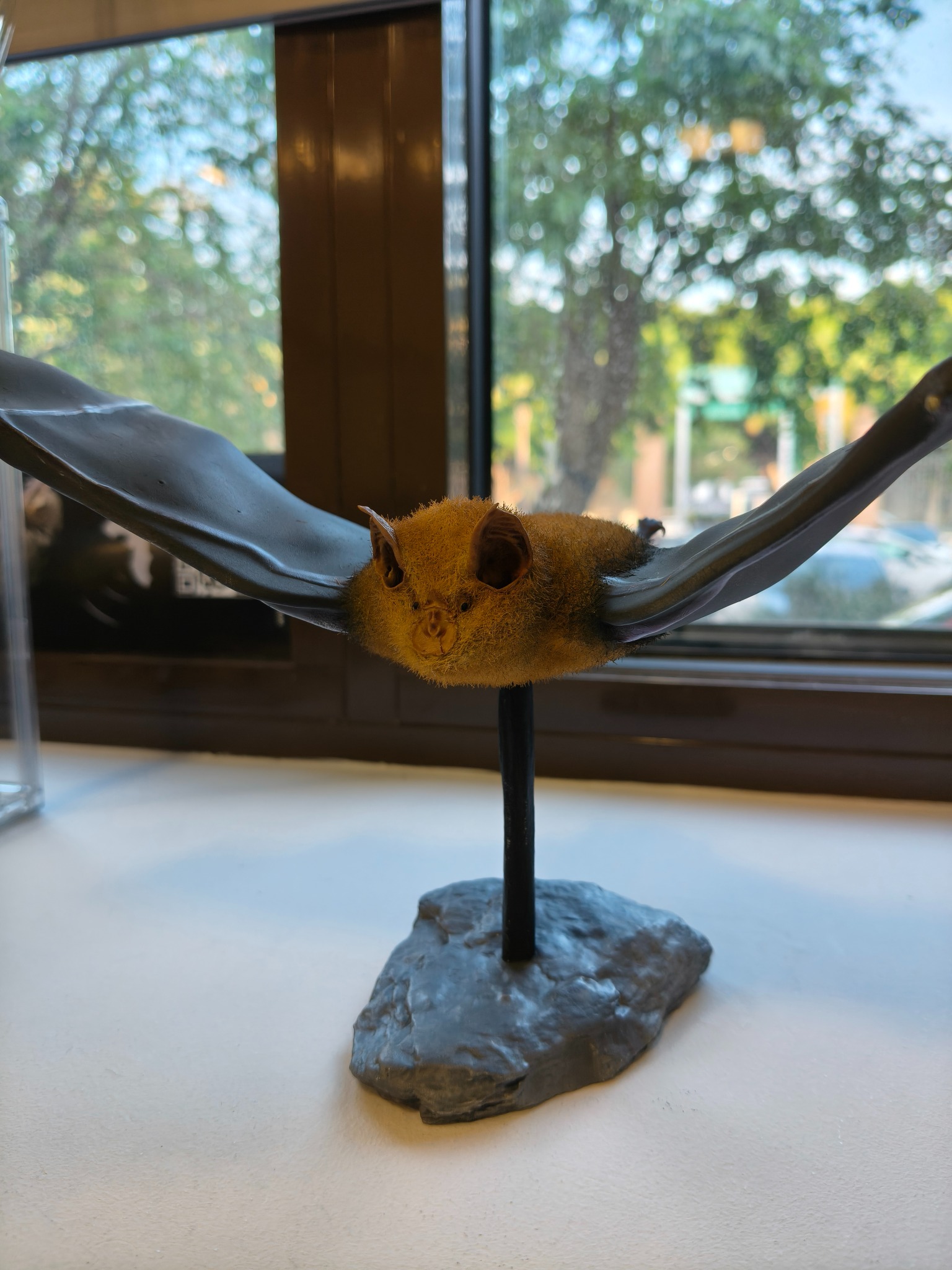
- Bat conservation: biology, habitats, threats and methods for observing and studying bats without disturbance.
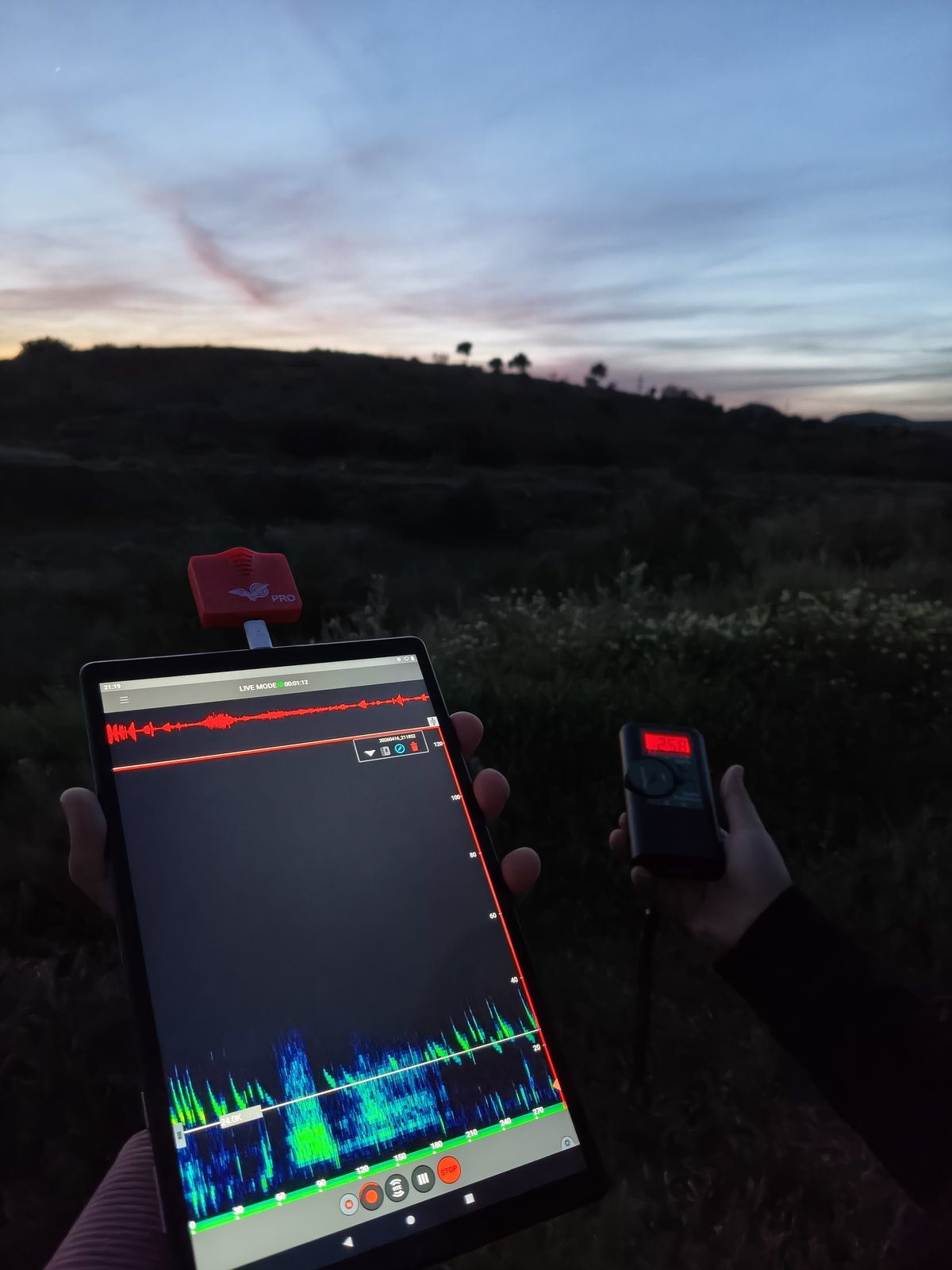
- Applied bioacoustics: survey planning, detector use, spectrogram interpretation and the limitations of acoustic identification.
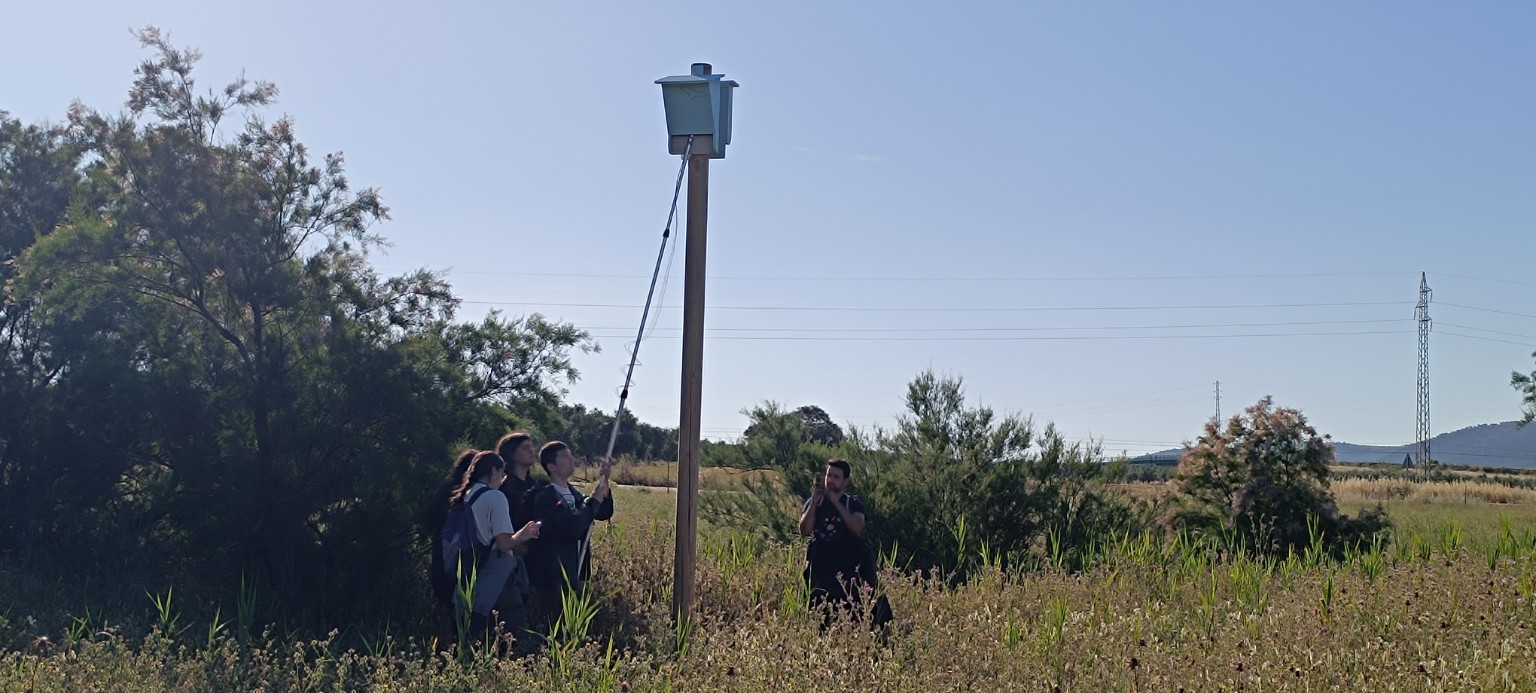
- Bat boxes and monitoring: site selection, georeferencing, non-invasive inspections and records of occupancy and incidents.
- Interpretation and educational innovation: using MUMA VR and 3D models in museums, visitor centres and outreach activities.
What your organisation receives
We prepare a teaching proposal with a defined scope: participants, objectives, syllabus, duration, delivery format and resources. Expected outcomes are expressed as knowledge and skills the group can apply in their work.
Elements of the training programme
- Objectives and entry requirements: what the session covers and the level it is designed for.
- Syllabus and methodology: technical explanations, case studies and exercises selected for the group.
- Materials and practice: documents, equipment and activities expressly included in the proposal.
- Consolidating learning: questions and answers, assessment or feedback where included in the programme.
From theory to informed practice
We use examples that support decision-making: planning a recording, distinguishing acoustic activity from the number of individuals, documenting a bat box inspection or designing an explanation for visitors. Each exercise is adapted to the commissioned course.
The course helps the group understand both the methods and their limitations. Learning to record, interpret and communicate rigorously is part of the work.
Explore our fieldwork and outreach projects, which provide practical context for the training.
Applied experience and collaboration
Organisations involved in different MuMa projects. Their presence reflects our history of collaboration, rather than accreditation of these courses.


How to organise the training
It depends on the course. Before preparing the programme, we review the group’s background and distinguish an introductory session from technical training. Entry requirements are stated in the proposal.
These are agreed according to the objectives, group size and content. Practical sessions involving equipment or fieldwork require specific planning; we do not assume that every course uses the same format.
The proposal details the documents, resources and activities included, together with assessment or feedback where applicable. Equipment and field visits are agreed before commissioning.
This page presents tailored specialist training, rather than an official qualification. Any participation certificate or accreditation must be expressly identified in the proposal and is not automatically included.
Yes. For an outreach event for visitors, see Bat Night Málaga. To install immersive resources in a museum or centre, see MUMA VR.
Let us design the training your team needs
Tell us what your team needs to learn. Include your organisation, the participants’ background and group size, the topic of interest, indicative dates and preferred format.
We will prepare a teaching proposal with objectives, content, duration, resources and a quotation. The final programme is agreed before commissioning.