
Conservation, science and technology projects
We study nocturnal wildlife, create roosting opportunities and bring people closer to nature through experiences that invite discovery.
SCIENCE · VIRTUAL REALITY · EUROPEAN COOPERATION
ST3ER: from knowledge to experience
Two digitised caves, three bat species integrated into MuMa VR, and studies of cave tourism in Spain, Portugal and Slovenia. Explore the results of our participation in ST3ER during 2025.

Recent projects and fieldwork
Discover where we work, what we are learning and how each project contributes to bat conservation and knowledge.
URBAN CONSERVATION · SINCE 2025
Málaga TechPark
Biodiversity at the technology park
We monitor eight bat boxes through non-invasive inspections and walks with ultrasonic detectors to understand how bats use the green spaces.
Inspection on 18 August 2026
8/8
boxes in good condition
1/8
with a bat observed
3/8
with bats or signs of use
Five inspections since 2025 · 51 georeferenced acoustic records.
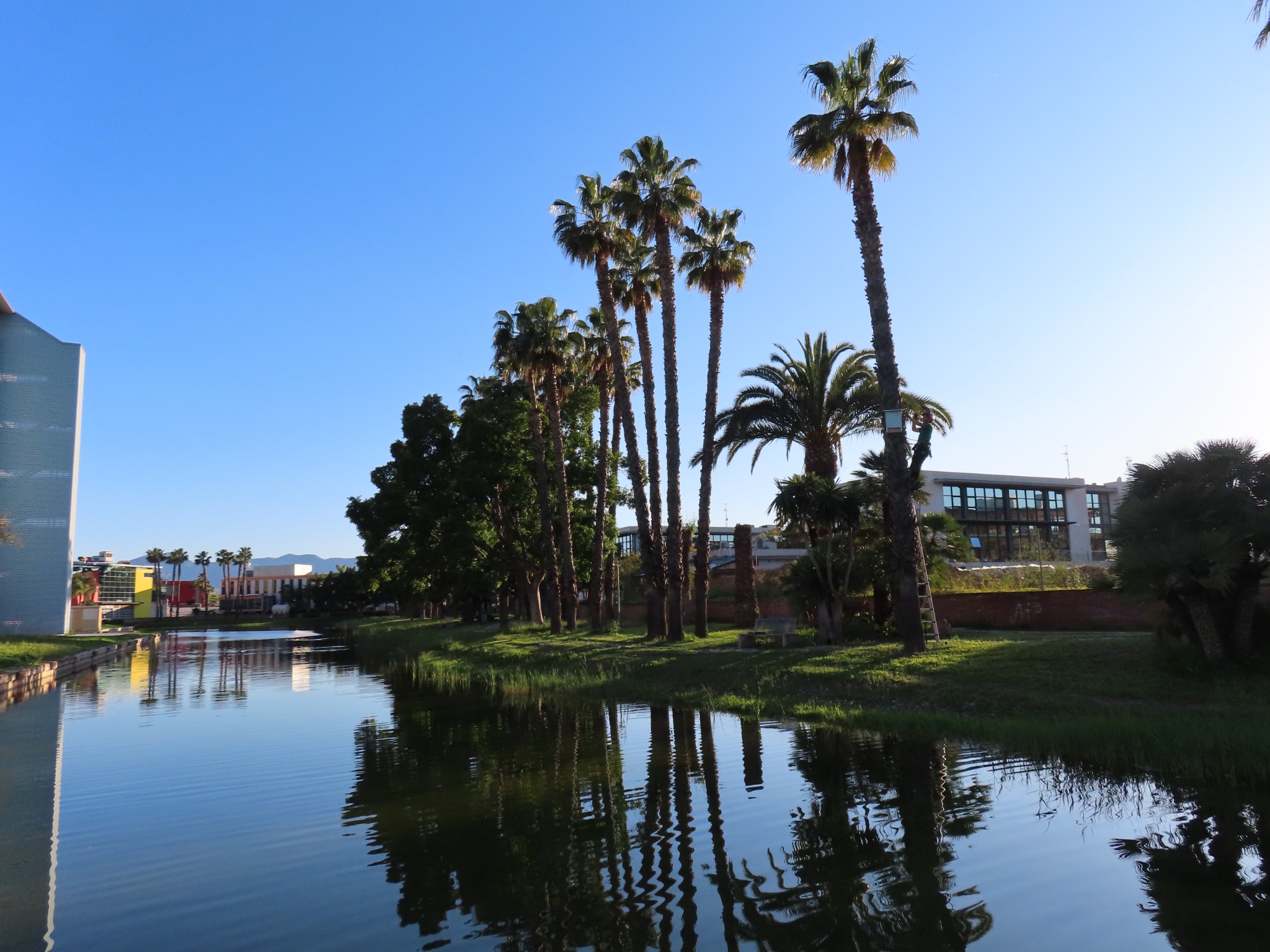
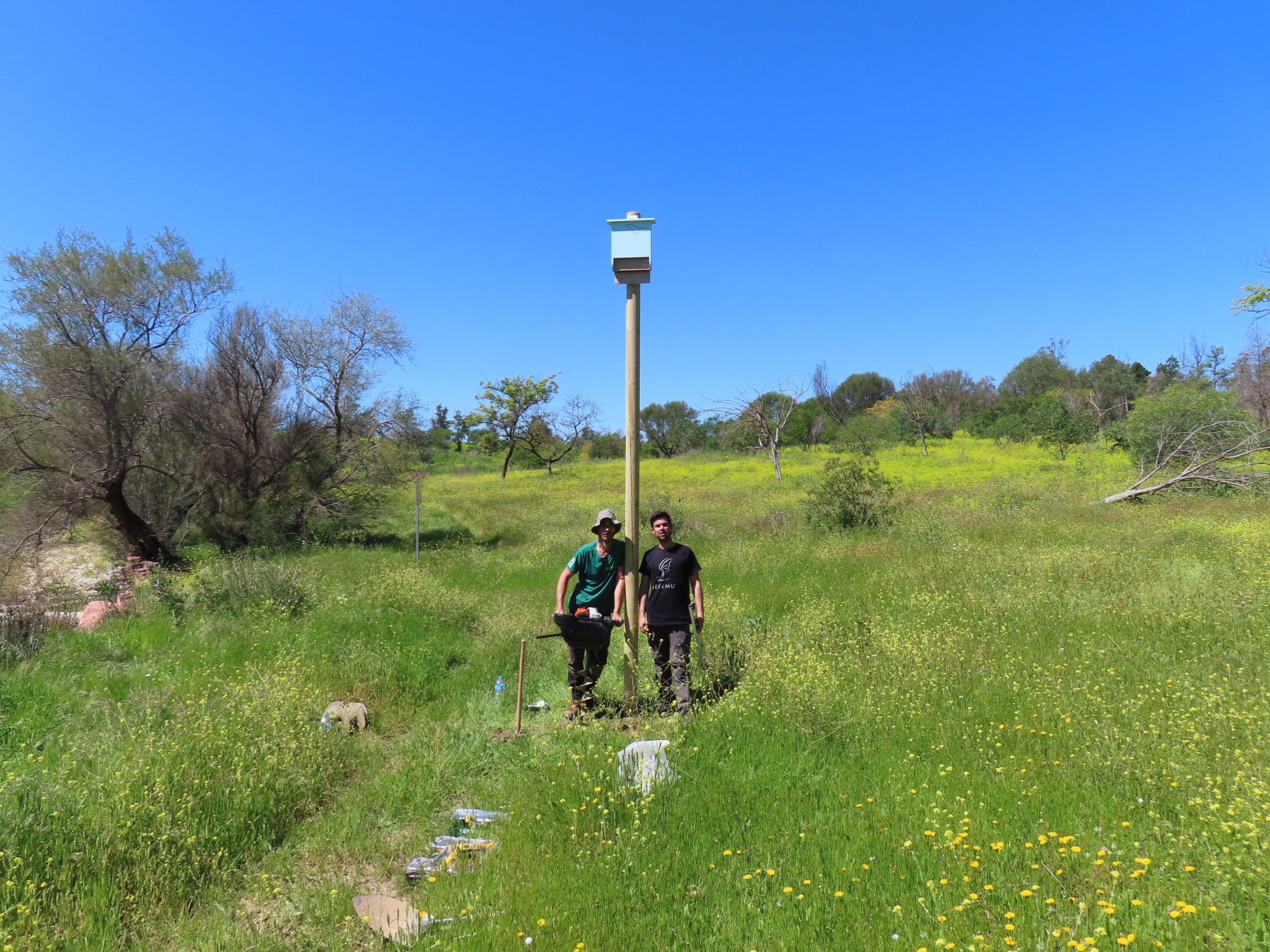
Results and continued monitoring
One Pipistrellus bat was recorded in one box, with guano in two others. The three boxes with evidence of use include the occupied box; this does not mean three boxes were occupied simultaneously.
The 51 acoustic records describe activity, not a count of individual bats. Automated species identifications require expert review.
Continued monitoring will retain the locations and use the same inspection protocol to compare changes across the network.
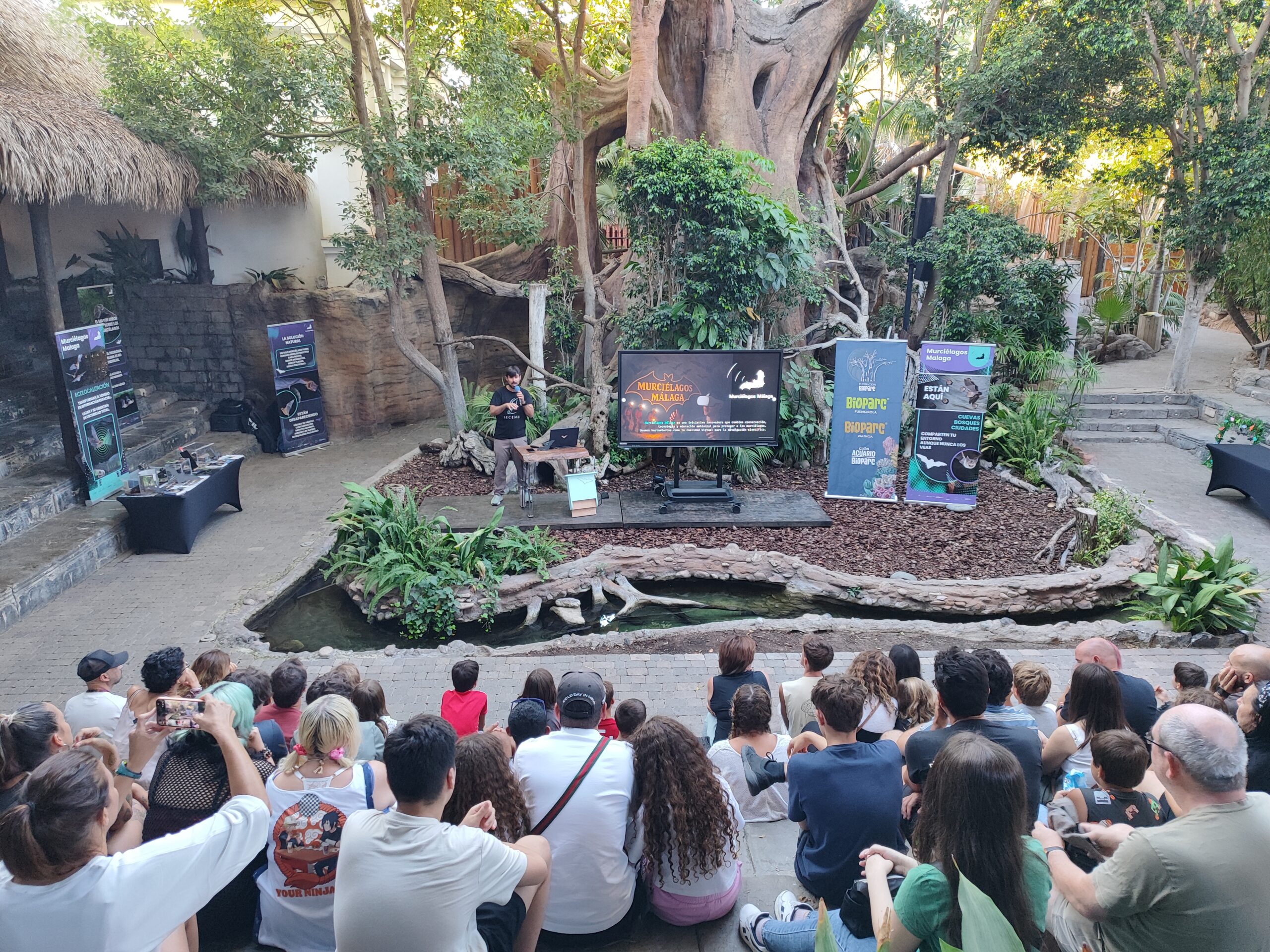
29 August 2026 · Bat Night in Fuengirola
Fundación BIOPARC
How can visitors discover the nocturnal lives of bats? With Fundación BIOPARC, we combine science, technology and participation to explore their biology and ecological roles.
At BIOPARC Fuengirola, our Bat Night events combine talks, 3D models, MuMa VR and walks with ultrasonic detectors. The August 2026 event included more than fifty immersive sessions.
The collaboration also includes content and technical support for BIOPARC Valencia. It connects conservation with what visitors can observe, hear and explore, introducing nocturnal wildlife to different age groups.
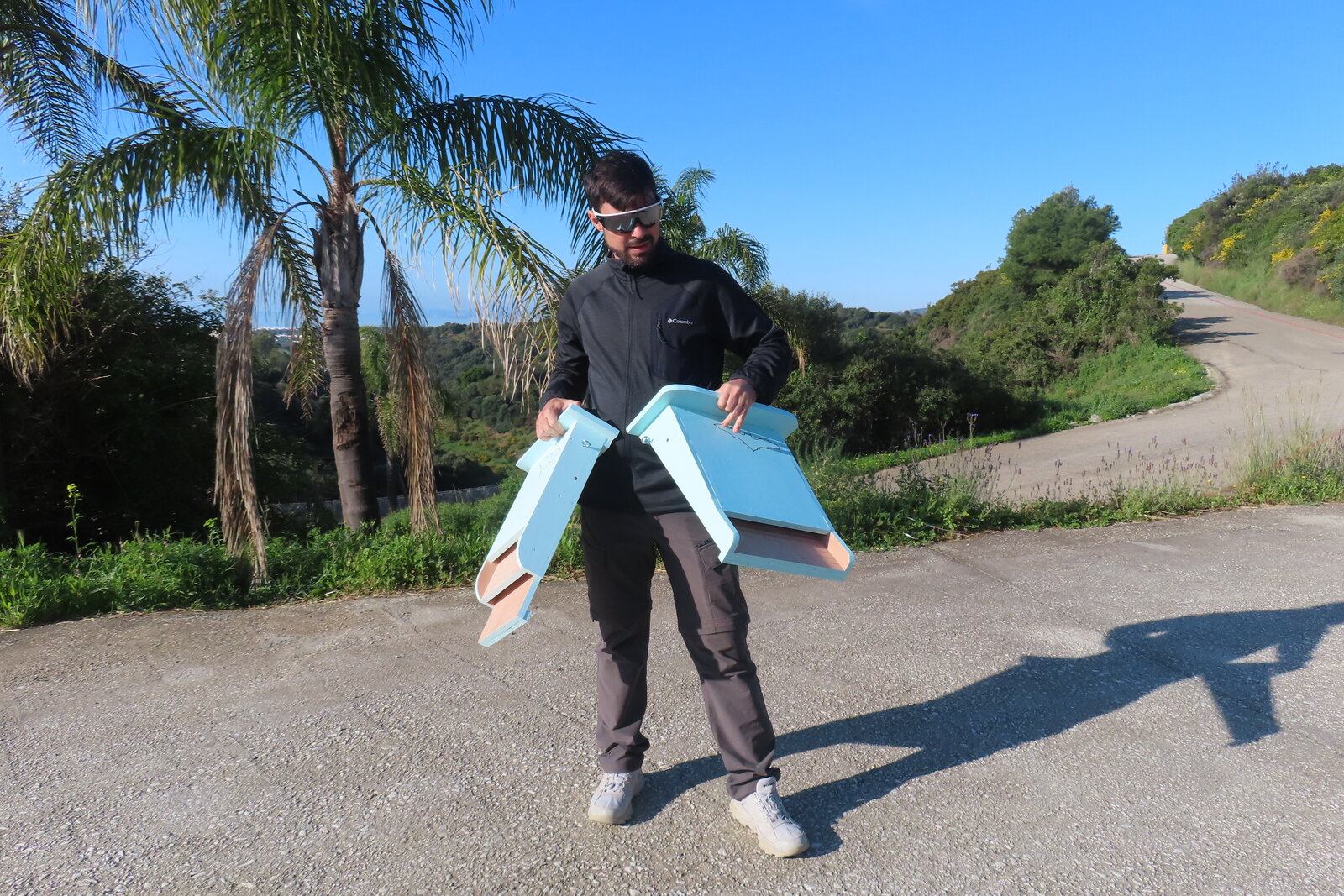
Since 2025 · Bat monitoring
SELWO Aventura Estepona – Fundación Parques Reunidos
SELWO’s green spaces and water bodies remain active after dark. Since 2025, we have studied bat activity and monitored a network of 15 bat boxes through inspections and ultrasonic recordings.
May 2026 results: 8,160 validated acoustic passes over four complete nights, 1,005 feeding buzzes and at least nine species or acoustic taxa. The recordings document use of the park for foraging and commuting.
In February 2026, we confirmed the use of one box by Pipistrellus; no individuals were observed during the May inspection of all 15 boxes. Further visits will help investigate seasonal use and extend the monitoring series.
Explore our bioacoustics and consultancy service.
Bats detected during the study
Cnephaeus isabellinus, Nyctalus leisleri, Pipistrellus pipistrellus, P. kuhlii, P. pygmaeus, Hypsugo savii, Tadarida teniotis, Myotis spp. and Plecotus spp. The last two genera are retained without species-level assignments. Acoustic records describe activity but do not count individual animals. Exploratory comparison with Biotfy complements expert review.
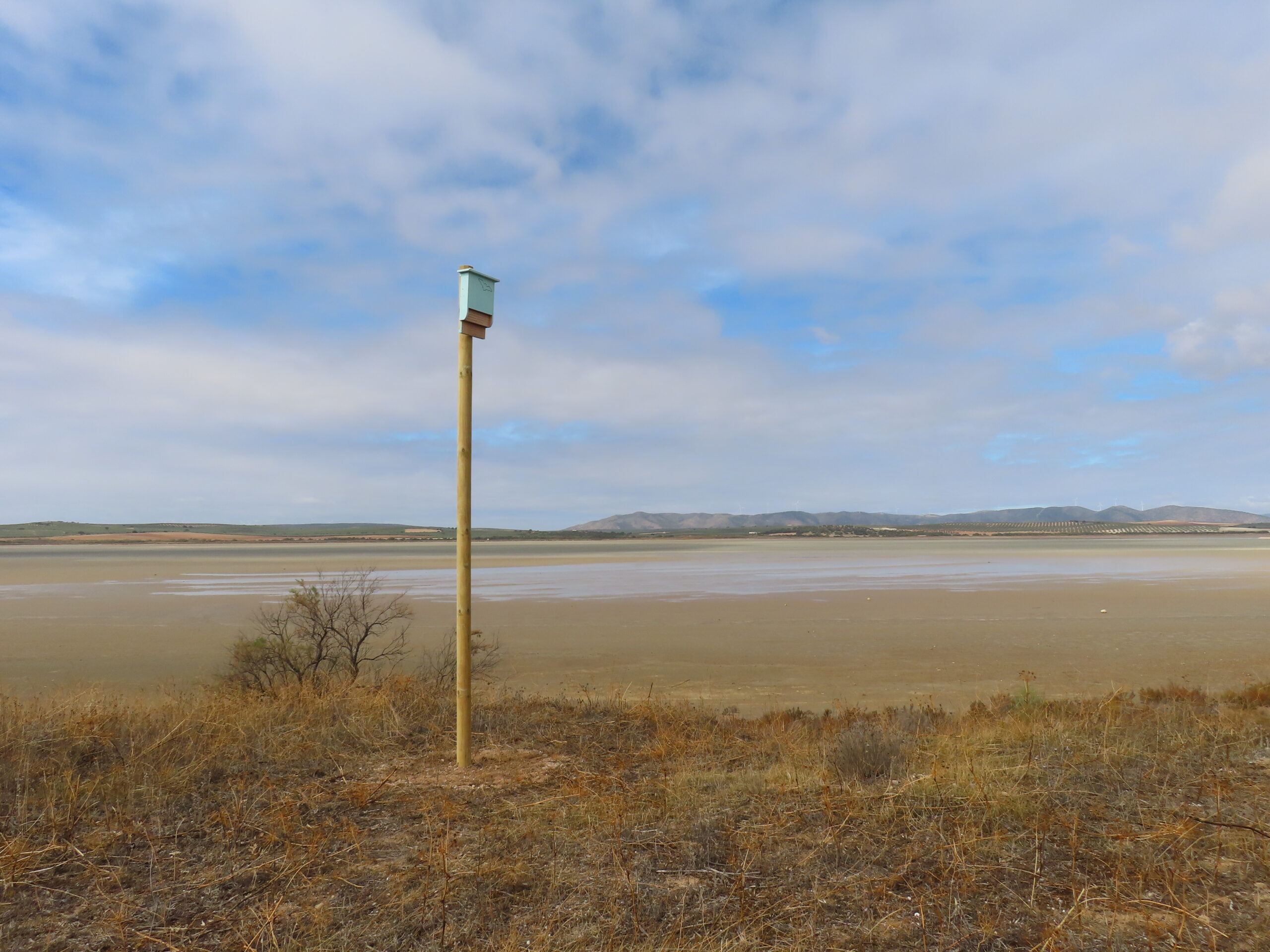
Since 2024 · Wetland research
Laguna de Fuente de Piedra Nature Reserve
At dusk, the wetland reveals another part of its biodiversity. Since 2024, we have investigated how bats use the reserve and its surroundings through a network of 17 bat boxes and ultrasonic surveys.
Consolidated 2025 results: 34 complete recording nights and 14,628 five-second records containing bat activity at the main station. The bat box network was also used by Pipistrellus.
Activity was particularly notable in spring, highlighting the wetland’s value as a foraging area. Monitoring continued in August 2026; the new results await validation before inclusion in the series.
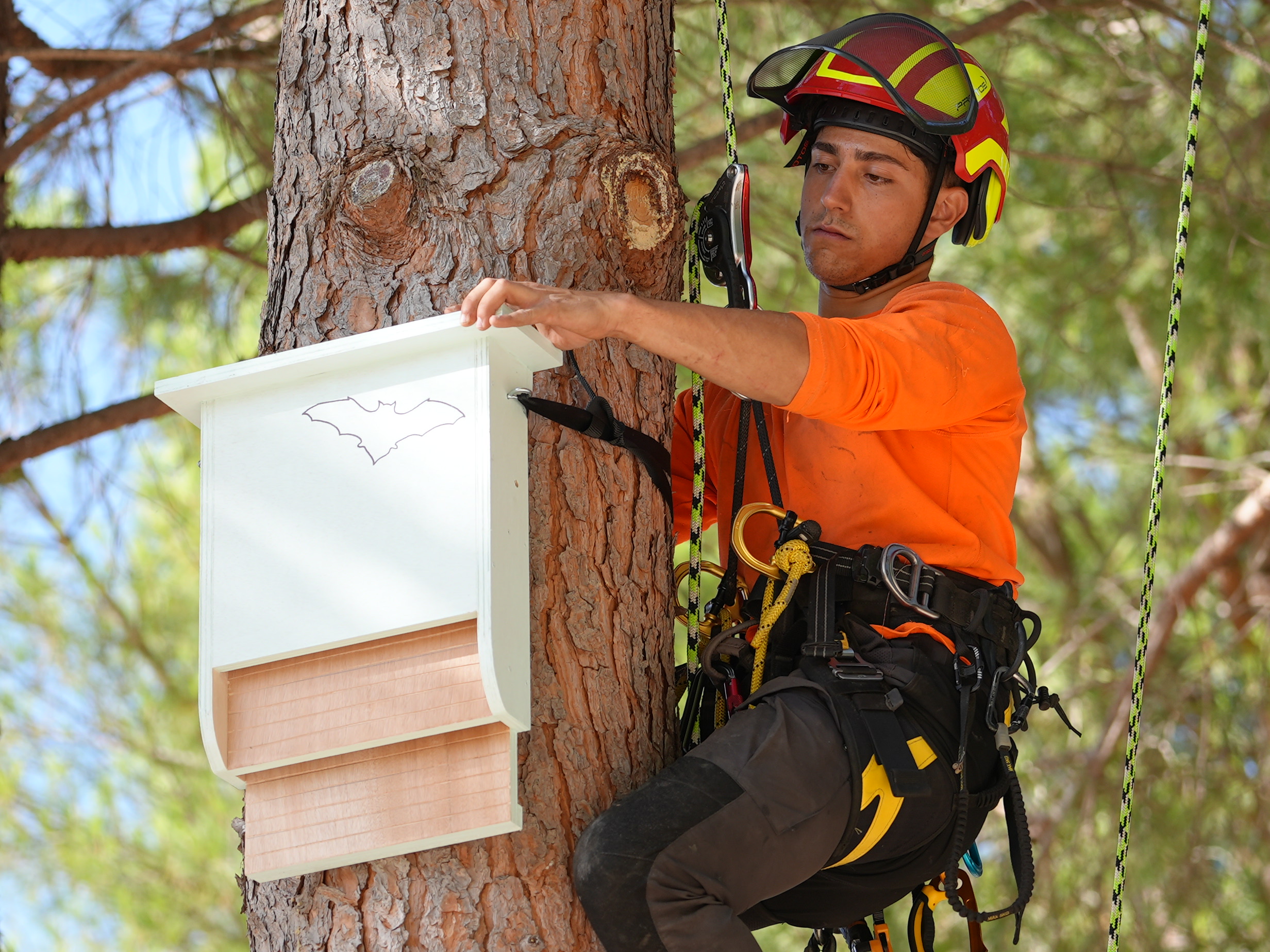
10 July 2026 · Pilot network installation
Málaga Viva Lab · Diputación de Málaga
At Málaga Viva Lab, run by Diputación de Málaga, we launched a pilot project to better understand the bats using this environmental experimentation space focused on climate change.
We installed five double-chamber bat boxes on trees, using adjustable fixings and georeferenced locations. The work included an initial four-night ultrasonic recording campaign.
The network allows us to monitor box occupancy alongside nocturnal activity in the surrounding area. Each inspection informs site assessment, maintenance and conservation measures grounded in field observations.
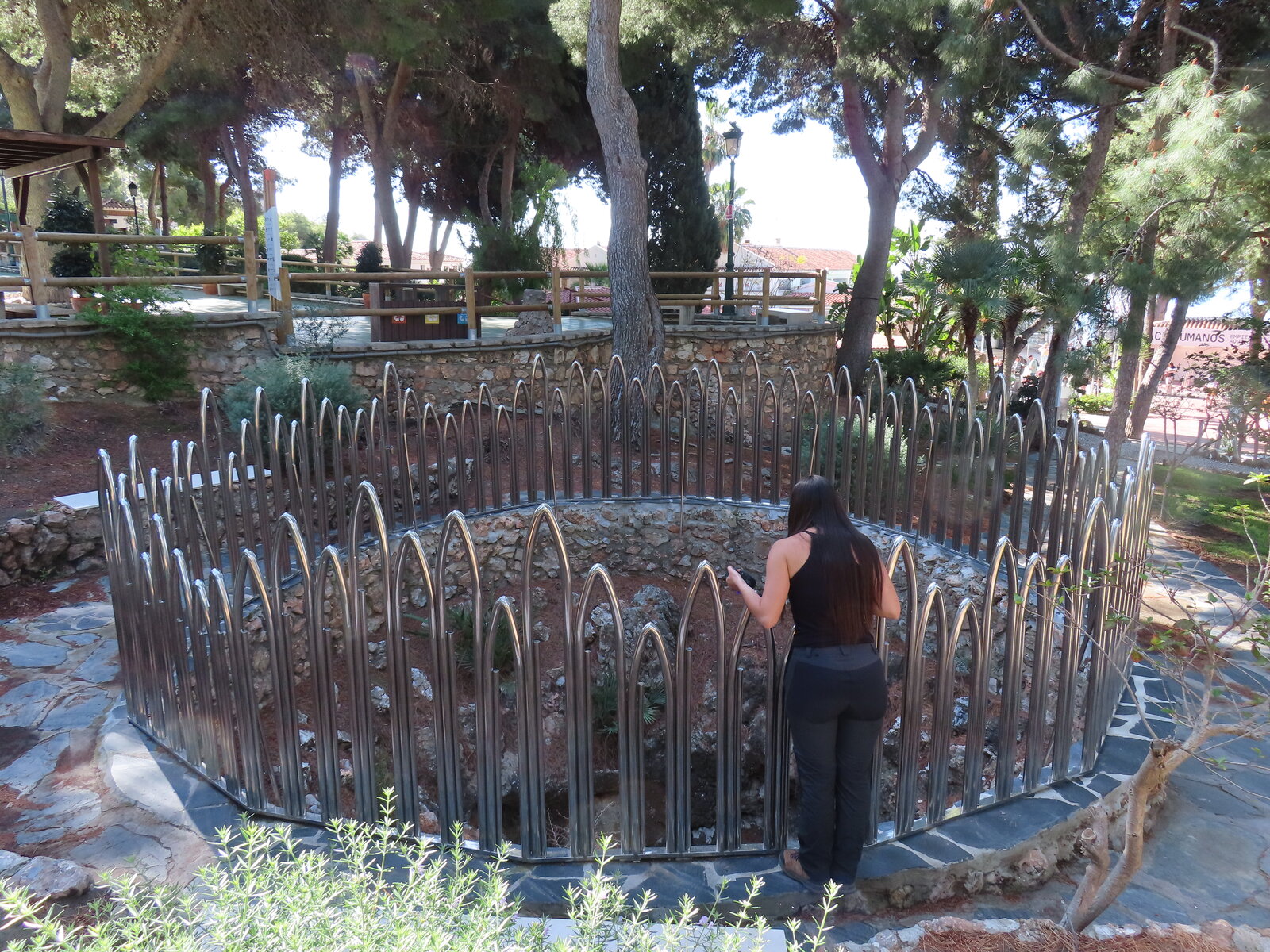
2026 · Fieldwork and analysis in progress
Fundación Cueva de Nerja
With Fundación Cueva de Nerja, we investigate how bats use the cave entrances and surrounding area. Understanding their movements helps incorporate their needs into the management of this natural heritage site.
Fieldwork combines ultrasonic recorders, infrared cameras and observations at study points. These methods document nocturnal activity without capturing or handling animals.
The recordings and visual material are undergoing specialist analysis. The project aims to identify patterns of use and provide conservation recommendations that consider both wildlife and the characteristics of the cave.
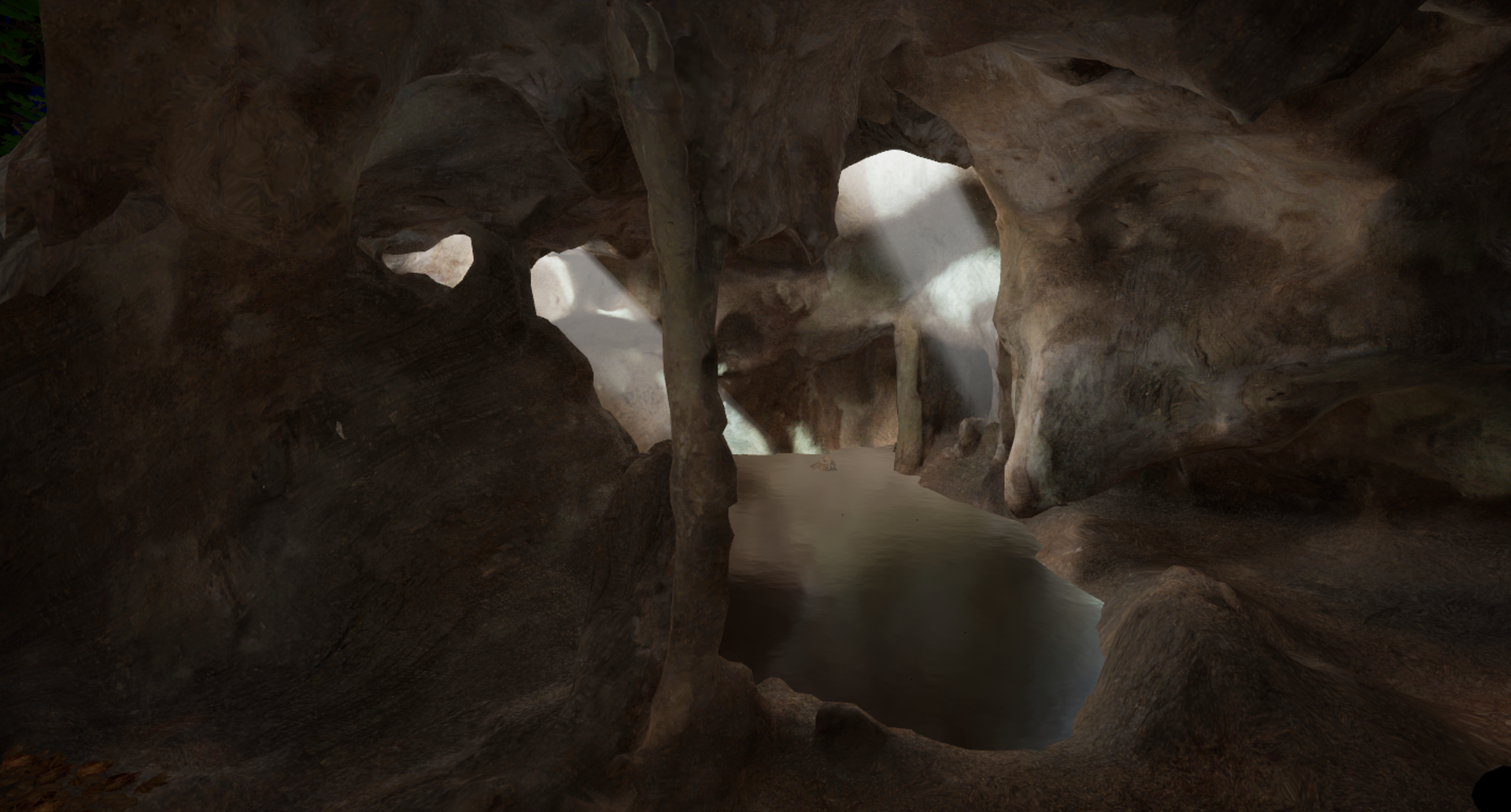
17 June 2026 · Installation and staff training
Museo de la Cueva de los Murciélagos de Zuheros
The Zuheros museum visit now includes a new way to discover bats. We introduced MuMa VR to complement interpretation of wildlife and underground heritage.
The work included installing MuMa Bats 360 on two headsets and training the staff who support visitors. The experience explores natural environments and introduces concepts such as echolocation.
A 3D bat display model, protected by a showcase, completes the installation. Immersive technology and a physical model provide complementary ways to observe bat anatomy and understand ecological relationships.
Bring MuMa VR to your museum →
Commission 3D models (Spanish) →
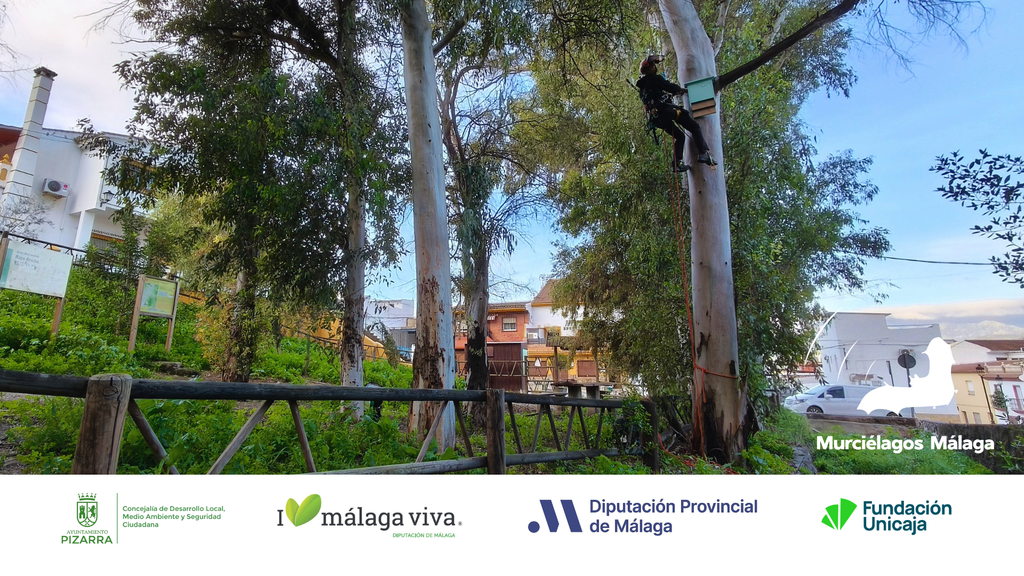
Guaro · Almargen · Pizarra
2025–2026 · Conservation and environmental education
Microclimas 2025
Guaro, Almargen and Pizarra have a new network of nine bat boxes. Through Microclimas, we combined conservation, technology and community participation to share the value of bats with rural municipalities.
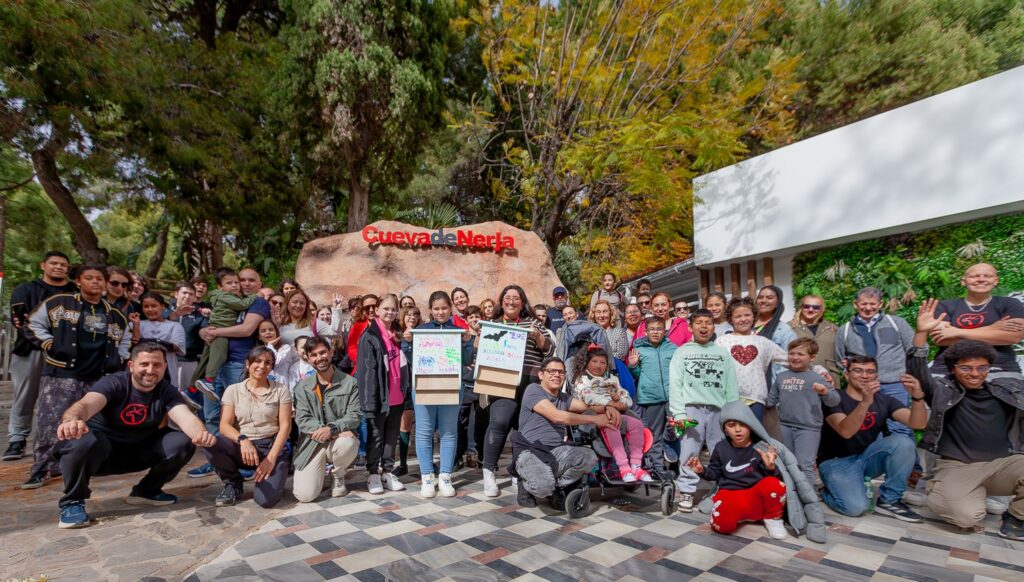
The project supported development of MuMa Bats 360 and three Bat Night events attended by around 130 people. Talks, virtual reality and ultrasonic listening connected visitors with local biodiversity.
The boxes are georeferenced to support monitoring. Supported by Diputación Provincial de Málaga and Fundación Bancaria Unicaja through Málaga Viva, the initiative leaves conservation and educational resources in the area.
Our work over time
Projects connecting conservation, heritage interpretation and technology.
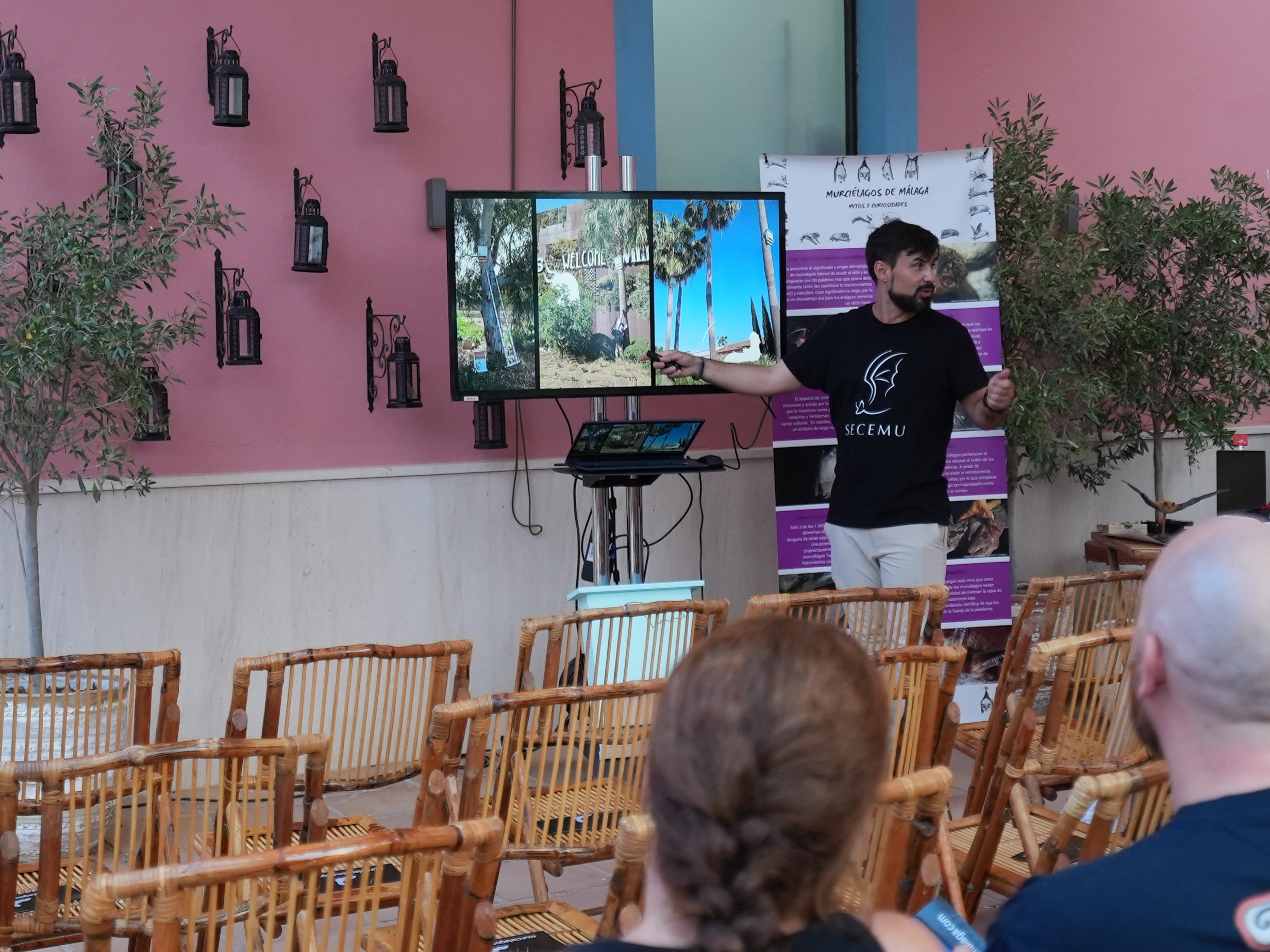
Science outreach and community participation
Science events at Plaza Mayor
Science can be discovered in everyday places. At Plaza Mayor Málaga, we have organised bat events that encourage visitors to observe, ask questions and participate.
The activities combine talks, 3D models, MuMa VR and ultrasonic listening. Each resource explores a different aspect of bats: anatomy, navigation in darkness or their relationships with insects.
A place for leisure and social encounters becomes a space for environmental education. The events introduce local wildlife to families and visitors and offer a practical way to include biodiversity outreach.
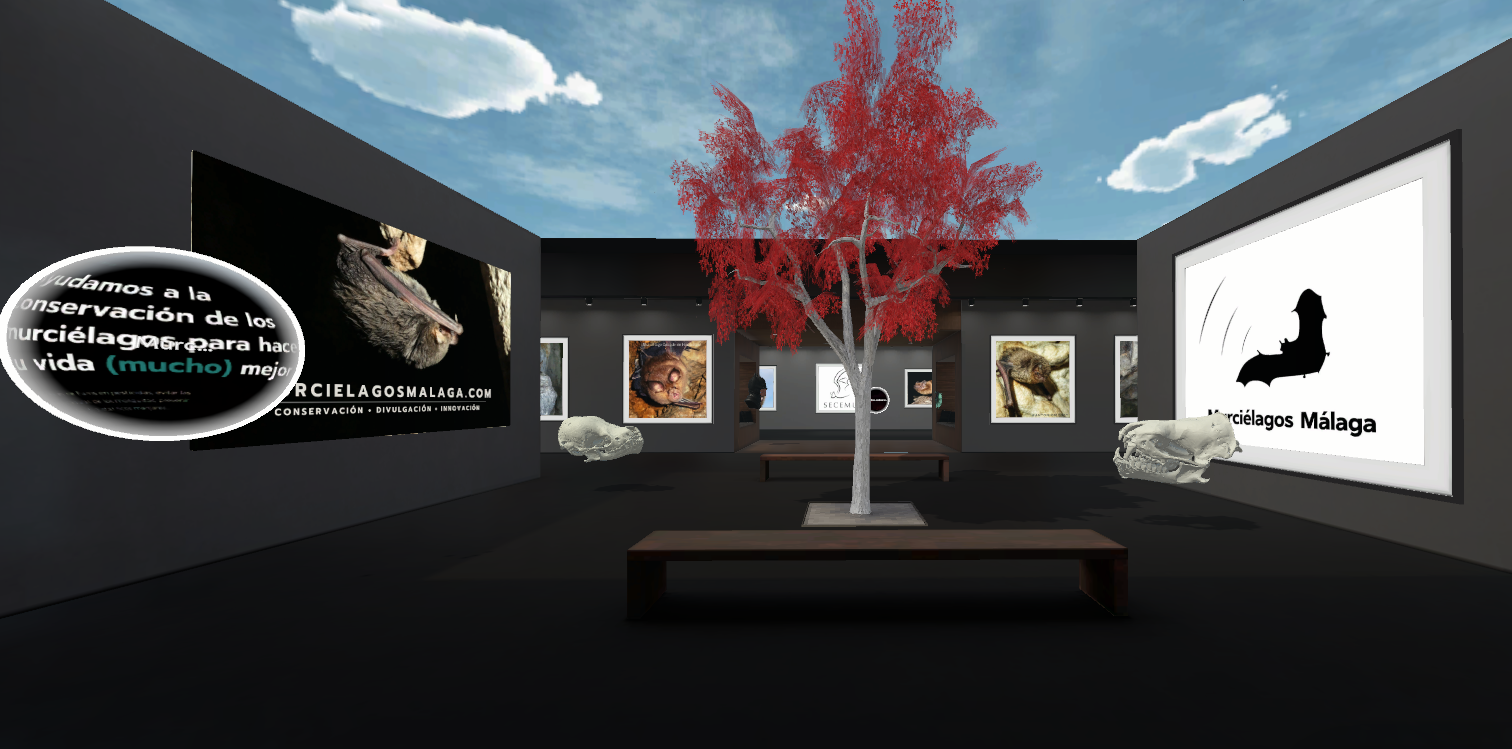
Since 2023 · Digital outreach
Museo Virtual MuMa
Museo Virtual MuMa brought science and curiosity together in a digital space devoted to bats. Developed in collaboration with SECEMU, it combined interpretive content, specialist photography and three-dimensional resources.
Its rooms introduced the diversity and biology of these mammals and their relationships with people, adapting an exhibition format to an environment visitors could explore on screen.
The original tour is no longer available following the closure of its hosting service. Its history and images are retained here as part of our work in digital outreach and immersive experiences.
Since 2023 · Immersive experience development
MuMa VR
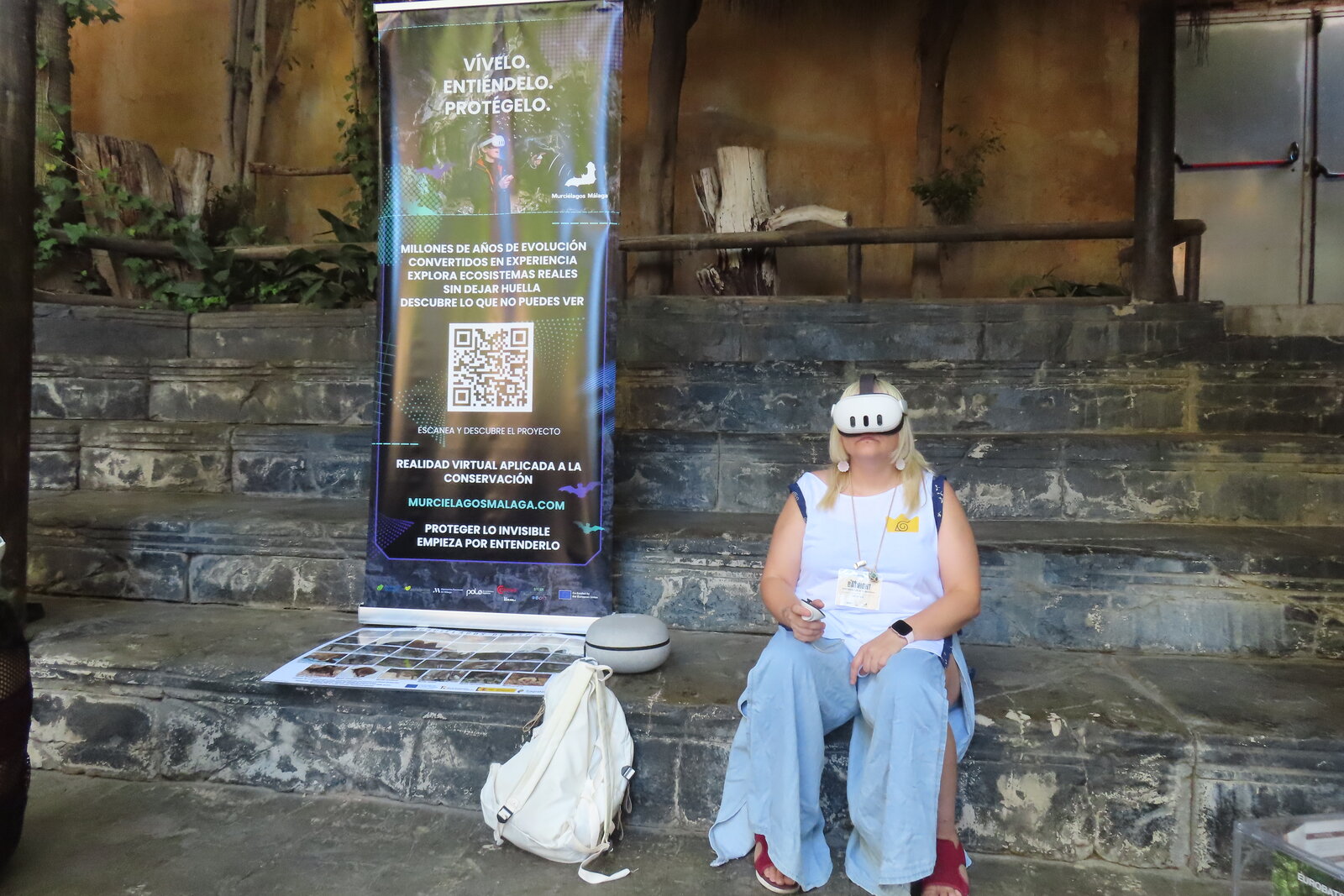
MuMa VR introduces the lives of bats to museums, visitor centres and educational activities through two immersive experiences. Scientific content, 3D modelling and environmental storytelling explore places and processes that are difficult to observe.
MuMa Bat Cave Experience lets visitors explore real caves that have been scanned and digitally reconstructed. MuMa Bats 360 takes visitors through a cave, an agricultural landscape and a city to discover roosts, echolocation and ecological relationships.
These tools have been used in initiatives including Microclimas, Zuheros and BIOPARC. They introduce natural heritage without physically entering the bat colonies represented, bringing environmental interpretation to the visitor’s own setting.
Since 2022 · Biodiversity in tourism settings
Parador Málaga Golf and Parador de Nerja
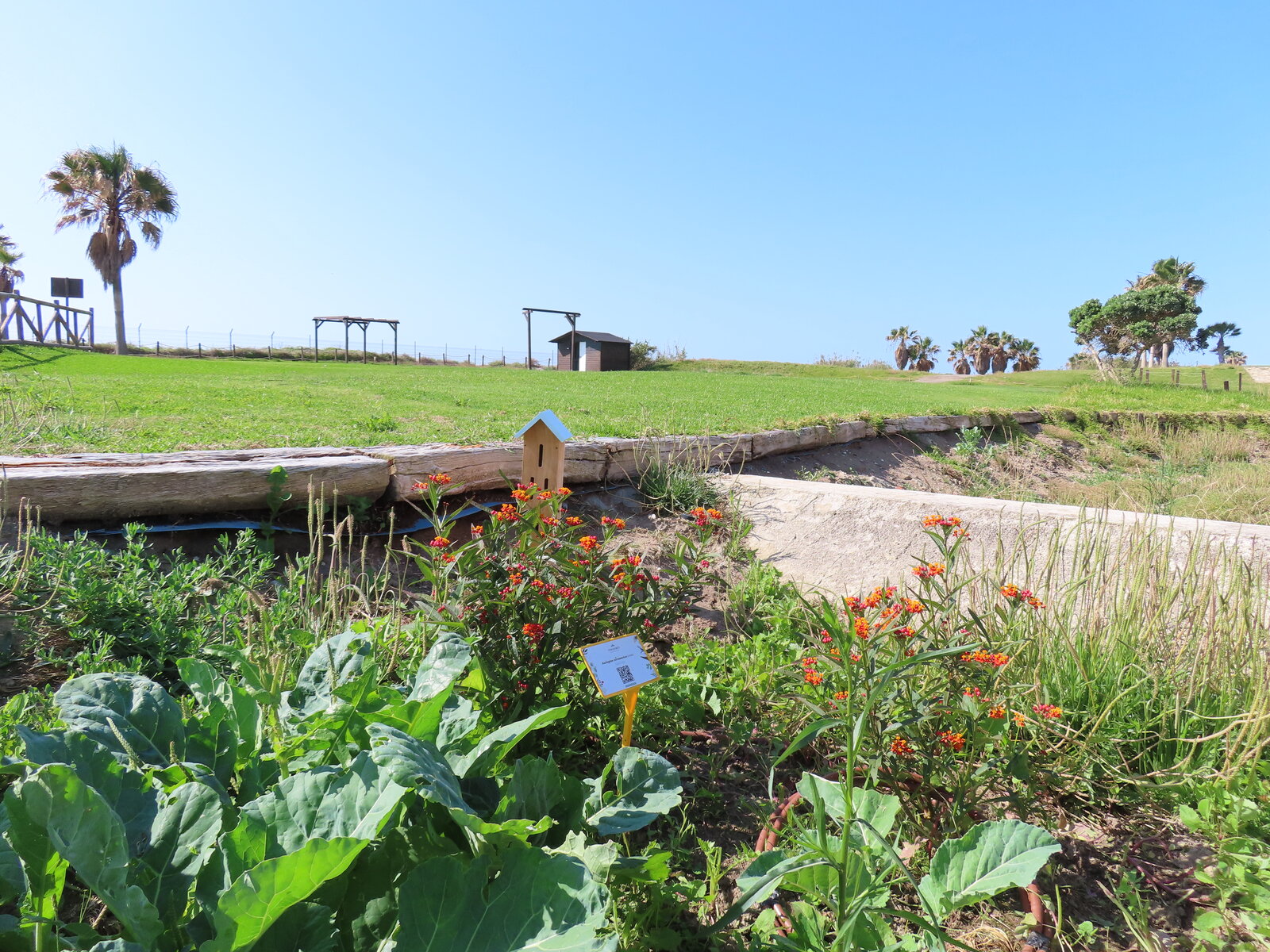
At Parador Málaga Golf and Parador de Nerja, we have carried out work to integrate biodiversity into tourism settings. Each intervention responds to local characteristics and conservation opportunities.
At Málaga Golf, the work includes dune protection and revegetation, pollinator gardens, wildlife shelters and interpretation resources. At Nerja, we installed six bat boxes, identified and georeferenced for monitoring.
The result is conservation infrastructure that can be maintained and inspected over time, connecting garden and green-space management with knowledge of local wildlife.
Interactive bat box map
Since 7 March 2022 · Active project
Every box has a history: where it was installed, how it changes and what signs of use appear during inspections. This map brings together the Murciélagos Málaga network and the information recorded for each location.
Photographs, locations and field observations help track each box over time. The map supports inspection planning, incident records and visual communication of conservation work.
Information is updated through monitoring visits, rather than real-time detection. Open the map to explore the projects and available records without approaching the boxes.
Programmes connecting our projects
Approaches used in different settings, with content adapted to each audience.
Ongoing programme
Bat Night Málaga
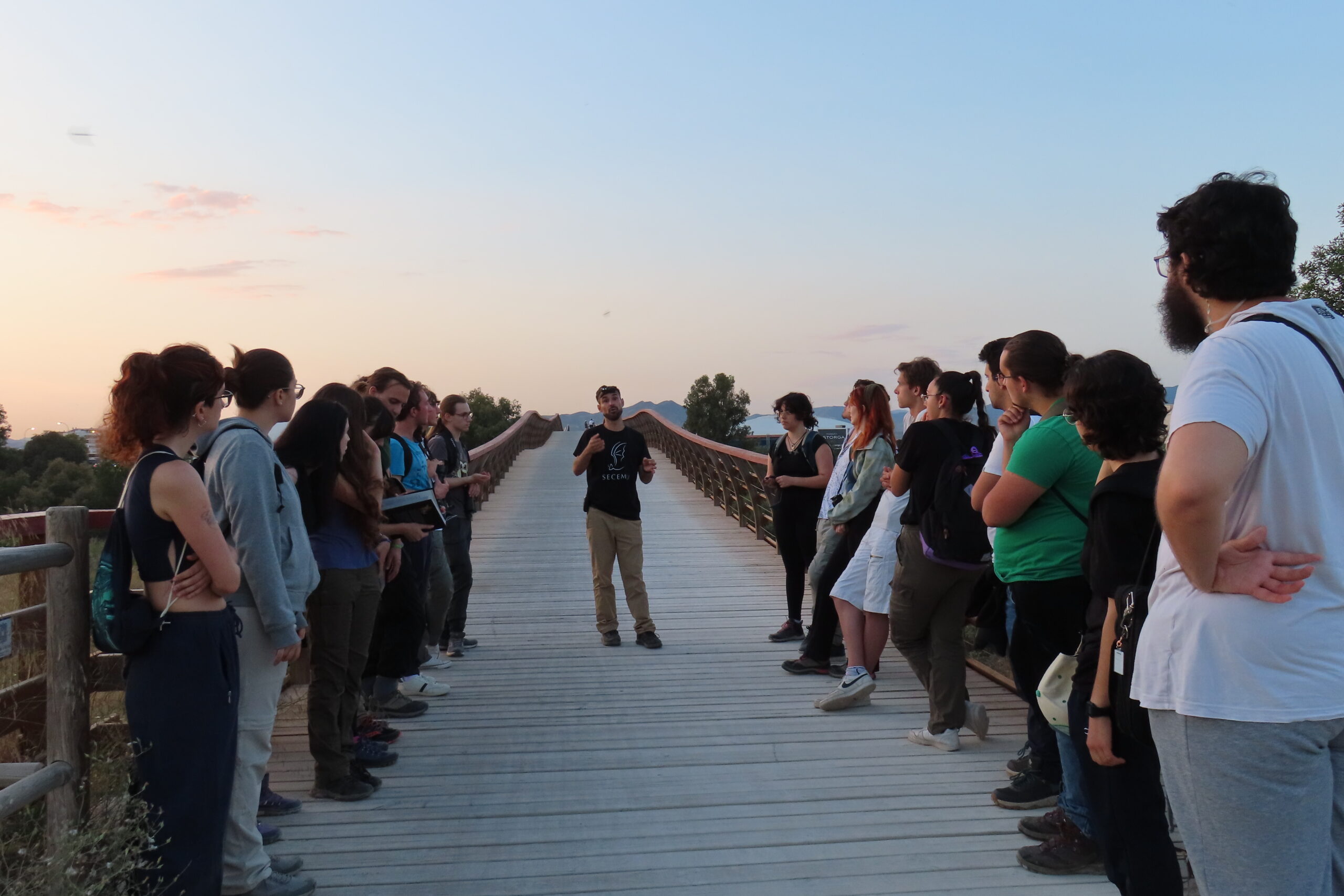
A Bat Night begins with a question and continues by listening to the night. Our events introduce bat biology and conservation through talks, visual resources and participatory experiences.
3D models and MuMa VR reveal details that are difficult to observe in the field. Walks with ultrasonic detectors then help participants recognise and interpret bat activity in the surrounding landscape.
We have used this format in municipalities, natural areas and organisations, adapting the content to each audience. It combines education and observation without capturing animals and offers an accessible introduction to local biodiversity.
Ongoing area of work
Sustainable tourism in Málaga
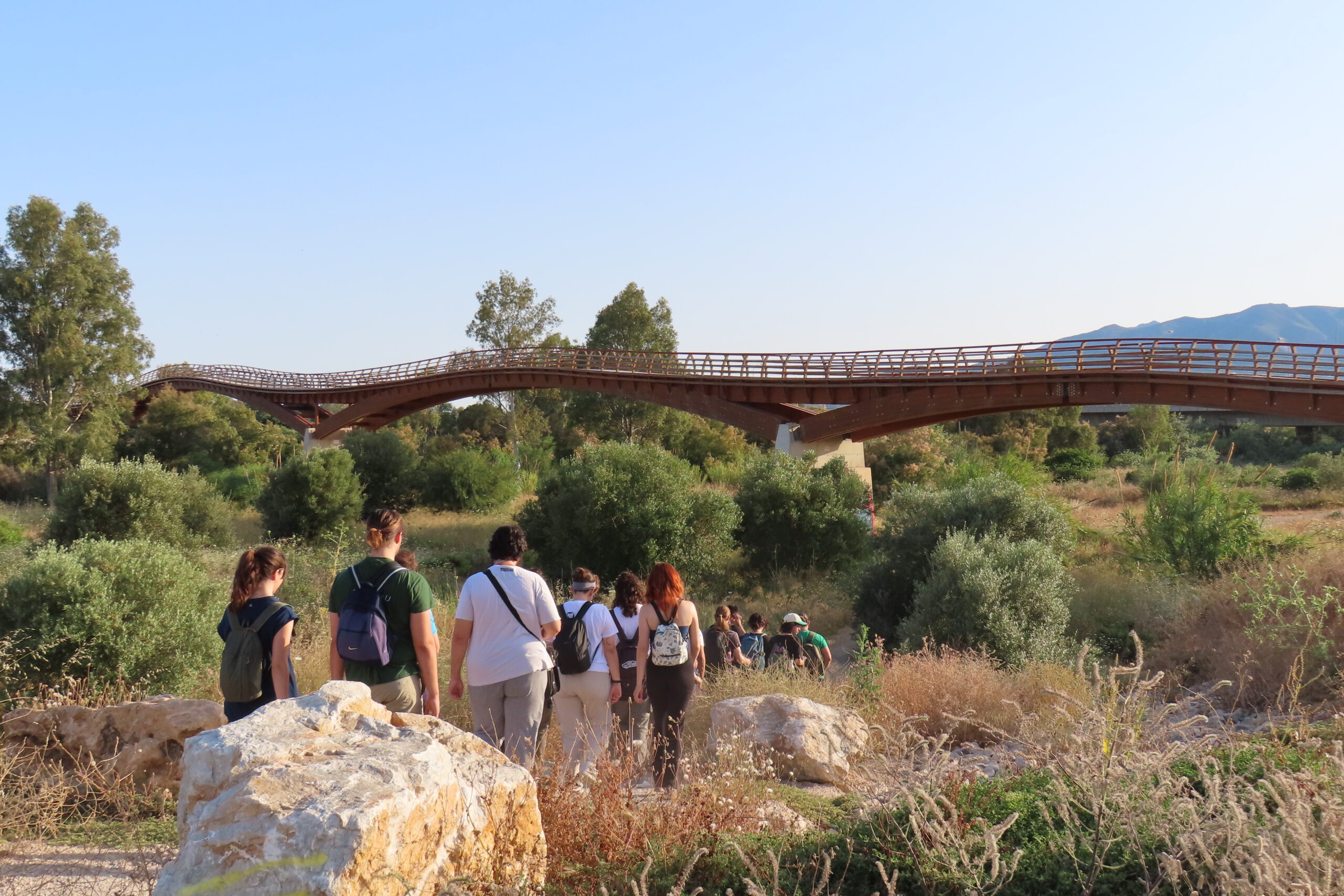
Understanding a natural area also means learning how to visit it responsibly. We combine environmental interpretation and technology to introduce biodiversity to visitors, schools and tourism organisations.
Digitising caves allows visitors to explore their interiors from other locations without adding visits to the colonies represented. It broadens interpretation of underground heritage and complements activities in nature.
The introduction of MuMa VR at Zuheros is one application of this approach. We aim to turn interest in bats into knowledge of local landscapes and more considerate decisions when visiting their habitats.
Would you like to develop a bat conservation or education project?
Tell us what your site, organisation or municipality needs, and we will explore a tailored technical proposal.